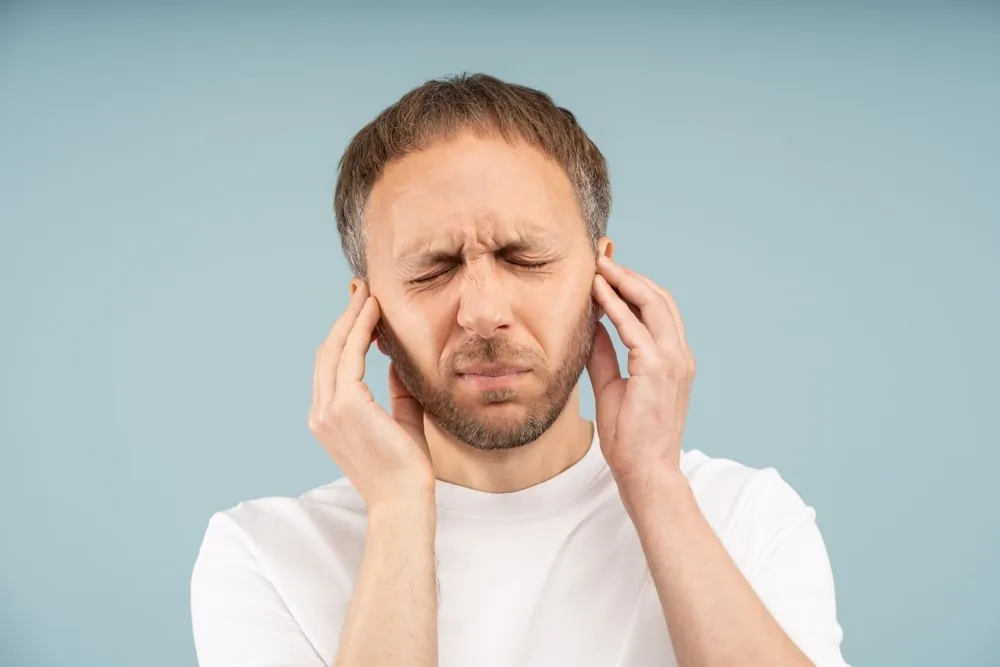
Whether for protection against noise in the workplace, for a peaceful night’s sleep despite street noise, or when attending a concert: earplugs can protect your hearing in many situations and make everyday life easier. Choosing the right hearing protection depends on numerous factors, ranging from the intended use and the shape of your ears to the material and sound-dampening properties. Below is a comprehensive overview of the different types of earplugs, explaining key technical specifications and providing practical advice on selection, use and care.
Key Takeaways
- Earplugs protect your hearing from noise-induced damage, which can occur after prolonged exposure to noise levels as low as 85 decibels
- Choosing the right hearing protection depends on the intended use; there are suitable options for sleeping, concerts, work or water sports
- Key selection criteria include the fit to the individual ear canal, the NRR (Noise Reduction Rating) and the material
- Foam earplugs offer high attenuation levels, whilst high-fidelity earplugs preserve sound quality when listening to music
- Correct use and regular care are crucial for the effectiveness and hygiene of reusable models
- Custom-made earplugs from a hearing care professional offer optimal comfort and protection with regular use
Why hearing protection is important
Human hearing is a sensitive sensory organ that can be irreversibly damaged by prolonged or recurring exposure to noise. Noise-induced hearing loss is one of the most common causes of hearing damage and could, in many cases, be prevented by taking appropriate protective measures.
Noise and its effects on hearing
Noise is measured in decibels, with higher values indicating louder sound. A quiet winter’s day is around 10 to 20 decibels, whilst a fire engine siren can reach levels between 110 and 130 decibels. Noise levels below 70 decibels are generally considered safe for hearing. From 85 decibels upwards - roughly comparable to a running lawnmower or a noisy restaurant - prolonged exposure can cause damage. It is not only the volume that matters, but also the duration of exposure. The louder the environment, the shorter the time one should spend without hearing protection. With very loud noises, such as a jackhammer, even a few minutes can be enough to damage the inner ear.
Preventing hearing loss with earplugs
The main reason for using earplugs is to prevent noise-induced hearing damage. Even if some hearing loss is already present, wearing hearing protection can prevent further damage. The delicate structures in the inner ear, particularly the hair cells, cannot regenerate once damaged. Preventive protection in noisy environments is therefore essential. Earplugs reduce the sound level reaching the eardrum and the structures behind it, thereby significantly lowering the risk of temporary or permanent hearing damage.
The Noise Reduction Rating as a guide
The Noise Reduction Rating, or NRR for short, is a standardised measure that indicates the maximum number of decibels by which a hearing protection product can reduce ambient noise under ideal conditions. This value is given in decibels and can be found on the packaging of earplugs. To estimate actual noise exposure, the NRR value can be subtracted from the measured ambient noise level. The aim is to bring the resulting exposure down to a safe level of ideally 70 decibels or below. In Europe, the Single Number Rating (SNR) is also frequently used, which operates on a similar principle. Both metrics provide important guidance when selecting suitable hearing protection for various noise situations.
Criteria for selecting suitable earplugs
Choosing the right earplugs is not a matter of chance, but should be based on several important factors. Only when the intended use, fit and material are optimally matched can earplugs provide full protection whilst remaining comfortable.
Determine the intended use
Do you need protection for sleeping, for concerts or on a construction site? Requirements vary greatly depending on the situation:
- • Music lovers need high-fidelity earplugs that do not distort the sound and preserve nuances.
- • Industrial workers need maximum protection, as noise levels are often permanently harmful.
- • Sleepers benefit from particularly soft materials that do not cause pressure even when lying on their side.
Fit and anatomy of the ear canal
The effectiveness of earplugs depends crucially on their fit. Everyone has a unique ear shape, and not every type of hearing protection fits every ear. The ear canal can be large or small, round or oval, straight or S-shaped. On average, women have narrower ear canals than men, which should be taken into account when choosing a size. An important warning sign of an unsuitable size or shape is an uncomfortable feeling of pressure or pain when wearing them. Even if the earplugs protrude visibly from the ear, this indicates an inadequate fit. Only earplugs that sit deep and comfortably in the ear canal can ensure maximum sound insulation whilst remaining comfortable to wear. Anyone who cannot achieve a good fit with standard sizes should consider custom-made solutions.
The importance of correct use
Even the best hearing protection with a high NRR rating cannot be effective if it is not used correctly. With foam earplugs, for example, it is important to roll the foam tightly before insertion, then insert the plug deep into the ear canal and allow it to expand there. It can be helpful to pull the outer ear slightly upwards and backwards to straighten the ear canal. With pre-formed models made of silicone or plastic, the correct size should be chosen and the plug inserted with a gentle twisting motion. Correct positioning is important not only for sound insulation but also for comfort. If you are unsure whether the earplugs fit correctly, you can check this with a simple test: if ambient noise becomes significantly quieter and no unpleasant pressure is felt, the fit is usually correct.
Determine the intended use
Do you need protection for sleeping, at concerts or on a building site?
Fit and anatomy of the ear canal
The effectiveness of earplugs depends crucially on their fit.
The importance of correct use
Even the best hearing protection with a high NRR rating cannot be effective if it is not used correctly.
An overview of different types and materials
Earplugs are available in numerous variants, which differ in terms of material, design and intended use. Knowing the different types makes it easier to select the right hearing protection for individual needs.
In front of the ear or in the ear
Earplugs can generally be divided into two designs: models that are placed in front of the ear canal and those that are inserted into the ear canal. Over-the-ear plugs are usually made of wax or mouldable silicone, are shaped into a ball and pressed against the ear canal, where they form an external seal. In-ear earplugs made of foam, plastic or silicone, on the other hand, are inserted directly into the ear canal and seal it from the inside. For people with very narrow, bent or unusually shaped ear canals, over-the-ear earplugs can often be a more comfortable and better-sealing alternative.
Foam earplugs
Foam earplugs are among the best-known and most widely used types. They are made of soft, compressible foam that is rolled up tightly before insertion and then slowly expands inside the ear canal to form a tight seal. These earplugs are inexpensive, readily available and often offer high NRR ratings of up to 33 decibels. One drawback is that they block sound relatively evenly across all frequencies, which can make it difficult to understand speech or listen to music. Furthermore, many foam varieties are designed for single use only and can cause an uncomfortable feeling of pressure for some users as they expand inside the ear.
Pre-formed earplugs made of plastic or silicone
Pre-formed earplugs, also known as lamellar earplugs, are made from materials such as plastic, rubber or silicone and are available in various sizes. They do not need to be rolled up, but are inserted into the ear canal in their original shape, which makes them easier to use. These models are reusable and can cause less pressure than expanding foam. Their NRR rating typically falls within the mid-range of 15 to 25 decibels. Many pre-formed earplugs are available in several sizes, allowing for a more personalised fit. They are well-suited for regular use and are easy to clean.
Mouldable earplugs made from wax or silicone putty
Wax or silicone mouldable earplugs are particularly adaptable as they can be shaped to fit the individual shape of the ear. They are moulded into a ball and pressed against the ear canal, where they create a tight seal. This design makes them particularly suitable for use whilst sleeping, as they do not need to be inserted deep into the ear canal and are therefore often found to be more comfortable. They can also provide a watertight seal for water activities. However, their effectiveness at reducing noise in very loud environments is limited, as the NRR value is usually between 20 and 25 decibels. Furthermore, with wax, there is a theoretical risk that it may soften when exposed to heat inside the ear.
High-fidelity earplugs for music enjoyment
High-fidelity earplugs, also known as equal-attenuation earplugs, are specifically designed to reduce volume evenly across all frequencies. They work in a similar way to a volume control on a stereo system, so that audio quality and speech intelligibility are largely preserved. These earplugs are the ideal choice for musicians, concert-goers or people who still want to understand speech or enjoy music in noisy environments. High-fidelity earplugs are available both as pre-formed standard models and as custom-made versions. Their NRR rating is often lower than that of foam earplugs, but they still offer sufficient protection for most leisure activities.
Electronic noise-cancelling earplugs
Electronic earplugs use digital technology to actively block out specific frequencies. They are particularly effective at suppressing continuous, low-frequency noises such as the hum of an aircraft engine or air conditioning units. Many of these models can also be used as headphones to listen to music or podcasts whilst reducing background noise. Disadvantages of this technology include the higher purchase cost, the need for batteries or regular charging, and limited effectiveness against sudden, loud noises. For hearing protection in extremely loud environments, passive models are often the better choice.
Custom-made earplugs from a hearing care professional
Custom-made earplugs represent the premium option in terms of comfort and fit. They are manufactured by a hearing care professional using an individual ear impression and therefore fit perfectly to the unique shape of the ear canal. This customisation ensures maximum comfort, particularly during prolonged use over several hours. Design, NRR rating and filtering can be fully tailored to the intended use, from quiet sleep to extremely noisy work environments. Although the cost of custom-made earplugs often starts at 100 euros or more, they are a worthwhile investment for people who regularly need hearing protection or for whom standard models do not fit properly.
Specific use cases in detail
Depending on your lifestyle and individual needs, earplugs can be used in a wide variety of contexts. Understanding your specific requirements helps you choose the best hearing protection.
Earplugs for a restful night’s sleep
For night-time use, comfort is the most important criterion, as the earplugs are worn for several hours. Soft materials such as foam, silicone or wax are particularly suitable here. Side sleepers should ensure that the earplugs do not protrude from the ear to avoid pressure points. The chosen NRR value should effectively dampen the noise source, such as snoring or road noise, but ideally still allow important signals such as an alarm clock or a crying baby to be heard. In the case of persistent snoring, it may be advisable to have the cause investigated by a doctor, as earplugs can alleviate the symptoms but cannot resolve the underlying problem. Long-term night-time use should be discussed with a specialist to rule out any potential risks to the ear.
Swimming and travelling
Special situations call for special solutions:
- When swimming, silicone earplugs prevent water from entering the ear canal, thus providing effective protection against inflammation.
- When flying, special earplugs with an integrated pressure-equalising filter help prevent earache during take-off and landing.
Hearing protection for noise sensitivity
People with hyperacusis, an excessive sensitivity to everyday noises, or misophonia, an extreme aversion to certain sounds, can benefit significantly from earplugs. These help to reduce overload and distraction and make everyday life more bearable. As the earplugs are often worn for long periods, comfort is particularly important. Depending on individual needs, you can choose between highly sound-absorbing models made of foam or wax, and high-fidelity earplugs that allow for clear communication despite noise suppression. In cases of pronounced sensitivity to noise, a consultation with a specialist should be considered to investigate any possible underlying causes.
Protection in extremely noisy environments
For extremely loud working environments such as construction sites, factories or shooting ranges, the highest possible NRR rating is required, ideally 30 decibels or more. As individual earplugs achieve a maximum NRR of around 33 decibels, combining two types of hearing protection can be beneficial in such environments. This method, known as dual protection, combines, for example, foam earplugs with earmuffs and increases overall protection by an additional 5 decibels. In Germany, employers are obliged to provide hearing protection where noise levels reach 85 decibels or above, and to mandate its use where levels reach 90 decibels or above. In such contexts, regular hearing tests should also be carried out to detect potential damage at an early stage.
Earplugs for travel and in windy conditions
Air travellers who suffer from a strong sensation of pressure or earache during take-off and landing can use special earplugs that aid pressure equalisation in the Eustachian tube. These models feature small filters that slow down the build-up of pressure and can thus prevent discomfort. Earplugs can also be helpful during activities involving strong winds, such as driving a convertible, riding a motorbike or hiking in windy regions. Wind can cause pain or inflammation in sensitive ears. Special wind earplugs are designed to impair hearing less than conventional types whilst protecting the ear canal from cold wind.
Care, where to buy and practical tips
Cleaning & hygiene
Reusable earplugs should be cleaned with mild soap and lukewarm water after each use and dried thoroughly. Disposable earplugs should be thrown away after a single use to prevent infections.
Where to buy
Drugstores and pharmacies stock standard models for occasional use. For custom-made protection and professional advice, a hearing care professional is your best option.
Frequently asked questions and special considerations
When using earplugs, similar questions often arise that are relevant to their safe and effective use.
Can earplugs damage your hearing?
When used correctly and with proper hygiene, earplugs are generally safe. Problems can arise if the earplugs are inserted too deeply into the ear canal, thereby exerting pressure on the eardrum or pushing earwax further into the ear. Poor hygiene can also lead to inflammation. Anyone who uses earplugs regularly should watch out for signs such as pain, itching, discharge or changes in hearing, and consult a specialist if such symptoms occur. Long-term use may potentially increase sensitivity to noise, so their use should be limited to necessary situations.
How often should reusable earplugs be replaced?
The lifespan of reusable earplugs depends on the material, frequency of use and care. Silicone and plastic models can last from several months up to a year with proper care. Signs that replacement is necessary include visible signs of wear such as cracks, discolouration or a loose fit. New earplugs should also be purchased if the noise-reducing effect noticeably diminishes. Custom-made earplugs generally have a longer lifespan of several years, but should be checked regularly by a hearing care professional.
What to do if there are problems with the fit
If standard sizes do not fit properly, there are several options. Firstly, different sizes and models should be tried, as the fit can vary between manufacturers. If problems persist, a hearing care professional can offer advice and, if necessary, make custom-made earplugs. Mouldable models made of wax or silicone putty can also be an alternative, as they adapt to the individual shape of the ear. It is important that the earplugs do not cause pain yet still provide a good seal.
Earplugs and hearing aids
People who wear hearing aids should take particular care when using earplugs. In many cases, it is not possible to wear both at the same time, as earplugs block the ear canal where the hearing aid is also located. For specific situations such as concerts or loud events, custom-made solutions can be produced that are compatible with hearing aids. A consultation with a hearing care professional is essential here to find the best solution for each individual case.
Earplugs as part of hearing protection
Earplugs are an important tool for protecting hearing in a wide variety of situations. From preventing noise-induced hearing damage in the workplace, to ensuring restful sleep despite night-time noise, to enjoying music without health risks, the right choice and use can significantly improve quality of life. Careful selection based on the intended use, consideration of the individual ear shape and correct application are crucial. In case of uncertainty or special requirements, professional advice from a hearing care professional or audiologist can help find the optimal solution. Anyone wishing to protect their hearing in the long term should regard earplugs as a natural part of everyday life in noisy environments and not wait until the first signs of hearing loss appear before taking action.