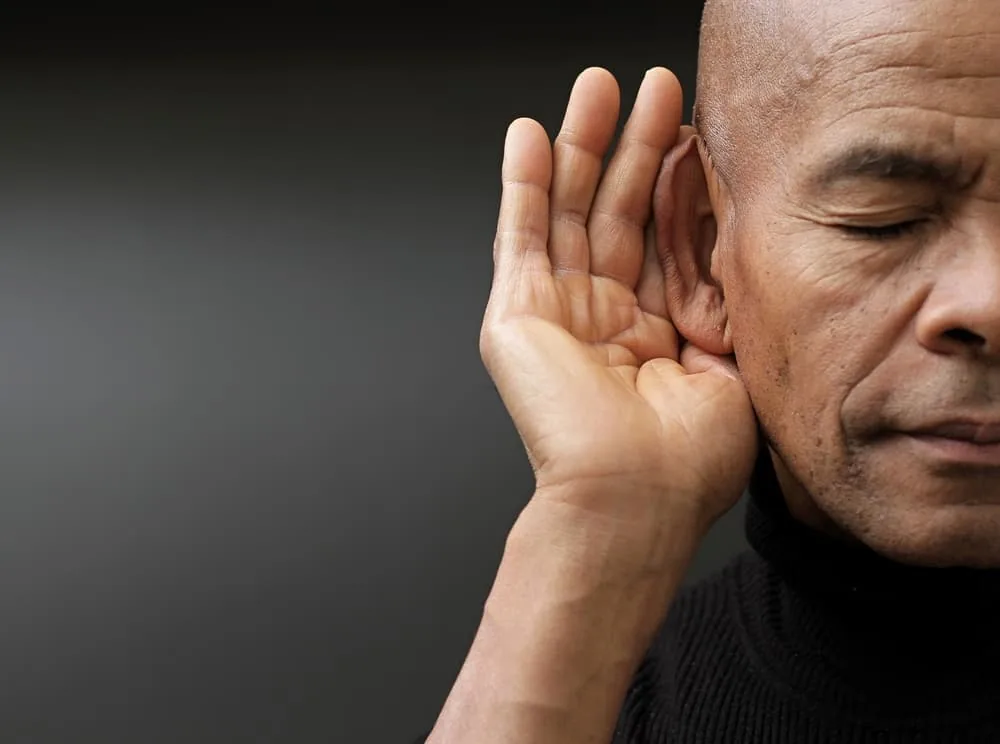
Whether on the street, at work or in our free time, our ears are exposed to a wide variety of noises every day. Often, we only realise (too) late that our hearing is suffering from this constant strain. Yet it is not at all difficult to actively protect your hearing and prevent hearing loss. Discover how you can effectively protect your hearing in everyday life with simple yet effective strategies.
Key Takeaways
- Why your hearing needs protection
- Avoiding noise: what really helps
- Hearing protection at work and in everyday life
- Using headphones correctly
- Rest periods for your ears
- Diet for hearing health
Why your hearing needs protection
Hearing is one of the most sensitive of the senses. The inner ear contains tiny hair cells that convert mechanical vibrations into electrical impulses. These cells cannot regenerate; once damaged, hearing ability remains permanently impaired. Noise, infections, medication and the ageing process are the most common causes of hearing damage.
Particularly insidious: hearing loss often develops gradually. Typical symptoms of hearing loss, such as frequently asking people to repeat themselves, the feeling that others are speaking unclearly, or increased sensitivity to loud noises, are rarely initially linked to hearing. However, taking action early on can make a big difference.
Avoiding noise: what really helps
Prolonged exposure to noise is one of the main causes of hearing loss. There is a risk of permanent hearing damage even at sound pressure levels of 85 decibels. By way of comparison: a vacuum cleaner is around 70 - 80 dB, a rock concert 100 dB or more. It is therefore important to avoid noisy environments or to actively protect yourself from them.
In everyday life, this means: avoiding traffic noise, turning down loud music, and only using machinery with protective equipment. Choosing quieter leisure activities, such as a walk instead of a gym with constant background noise, can also be helpful. As a general rule: if you have to speak loudly to be heard, it is too loud for your ears.
Hearing protection at work and in everyday life
In many professions, noise is unavoidable. Whether on construction sites, in industry or in trades, professional hearing protection is mandatory. Earplugs or earmuffs should be precisely suited to the environment and worn correctly. Employers are obliged to provide suitable protective equipment where noise levels exceed 85 dB.
But it’s also worth using them in your private life: when doing DIY, mowing the lawn, listening to music or at concerts. Modern hearing protection solutions are discreet, comfortable and, in some cases, customisable. There are even special filters that let speech through but block harmful noise.
Using headphones correctly
Listening to music is part of everyday life for many people. However, the risk of damaging your hearing is particularly high with in-ear headphones. Many devices reach levels of 100 dB or more at maximum volume. If you listen at such volumes for long periods, the sensory cells in your inner ear can be damaged.
To minimise the risk, you should follow the 60/60 rule: no longer than 60 minutes at a time and at a maximum of 60 per cent volume. Noise-cancelling headphones help to reduce ambient noise, allowing you to listen at a lower volume. It is also important to take regular breaks and give your ears a rest.
Rest periods for your ears
Your ears need rest. After exposure to intense noise, such as a concert or a day’s work on a building site, you should make a point of scheduling rest periods. Unlike other parts of the body, the auditory nerve and the inner ear do not regenerate overnight; they require specific rest.
Particularly for jobs involving high noise levels, breaks in a quiet environment should be taken daily where possible. A ‘quiet Sunday’ without noise, music or conversation can also help to preserve hearing ability in the long term. If you wish, you can combine this with specific relaxation exercises using nature sounds or complete silence.
Diet for hearing health
Diet can also support hearing. Certain nutrients promote blood circulation and thus the supply to the inner ear. These include omega-3 fatty acids (e.g. from oily fish), magnesium (found in nuts and bananas), vitamins C and E, and zinc.
A balanced, anti-inflammatory diet also supports general cell protection. Studies suggest that antioxidant-rich foods may have positive effects on the sensory cells in the inner ear. On the other hand, excessive intake of salt and sugar, as well as alcohol and nicotine, should be avoided.
Exercise promotes blood circulation
Regular exercise is good for the cardiovascular system, and therefore also for hearing. Good blood circulation ensures that the delicate hair cells in the inner ear are supplied with oxygen and nutrients. Endurance sports in particular, such as walking, cycling or swimming, are ideal for this.
Exercise also reduces stress levels, which has a positive effect on hearing. Chronic stress can contribute to tinnitus or alter the perception of sounds. So, anyone who exercises regularly is indirectly supporting their hearing ability.
Regular hearing screenings
Many cases of hearing loss develop slowly and go unnoticed for a long time. Regular hearing tests are therefore recommended, particularly from the age of 50 or for those at increased risk (e.g. occupational noise, family history). A test should also be carried out at the first signs, such as frequently asking people to repeat themselves, tinnitus or hearing difficulties in social situations.
Hearing care professionals offer free hearing screenings. If any abnormalities are detected, further diagnostic tests are carried out by an ENT specialist. The earlier hearing loss is detected, the better it can be managed, for example with modern hearing aids, targeted hearing training or by avoiding noise.
Small steps, big impact
Hearing loss does not have to be inevitable. With a mindful lifestyle, simple protective measures and regular check-ups, many forms of hearing loss can be prevented or at least delayed. If you want to hear well, you need to listen - to the signals from your own body and to the needs of your hearing.