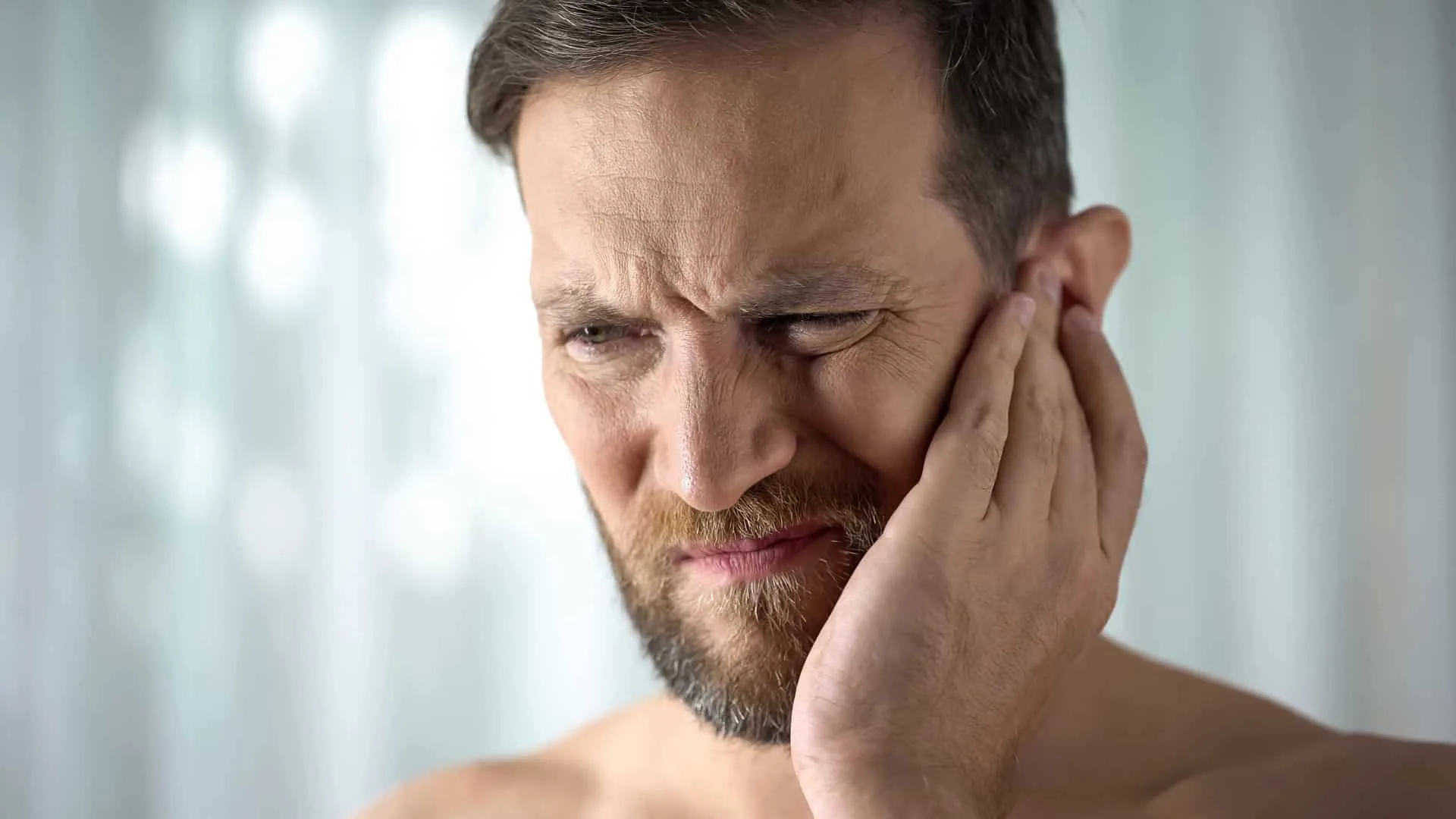
A person whose ears itch is, as the saying goes, a particularly curious person. But what does it really mean when your ears itch? What causes or even medical conditions might be linked to itchy ears? And above all: how can you get rid of the itching as quickly and easily as possible? We reveal all in our article for anyone who’s curious.
Key Takeaways
- Why does the ear itch?
- What can you do about an itchy ear?
- Itchy ears and mental health
- Itchy ears: when should you see a doctor?
Why does the ear itch?
An itchy ear or itchy ears can have a wide variety of causes.
External itching is often caused by skin conditions such as atopic dermatitis and psoriasis, where itching is a typical symptom that can also occur in the ears. Allergies are also a common cause, for example if the person is allergic to certain care products such as shampoos or creams, or to certain materials and substances used to make earrings, such as nickel. In addition, a fungal infection of the ear canal can trigger an itchy ear.
Reasons for itching in the inner ear or ear canal include infections and ear conditions such as ear canal inflammation or middle ear infection.
In the case of an ear canal infection (otitis externa), intense itching is one of the most common symptoms, along with pain and discharge from the ear. With middle ear infection (otitis media), which is common in children, itching in the ear is often the first symptom noticed, before a feeling of pressure or earache develops. In both cases, it is essential to monitor the symptoms closely and, ideally, seek medical advice.
However, the causes of an itchy ear are not always medical in nature. External factors are often to blame. These include, for example:
- Earwax: Earwax serves to remove viruses and bacteria from the ear, thereby cleaning it. If there is too little earwax in the ear, this can be a cause of itching. Even a small piece of earwax lodged somewhere in the ear canal can cause itching there.
- Earplugs: Wearing earplugs, in-ear headphones or ear protectors can cause mild irritation of the ear canal. This can lead to a tickling sensation in the ear, particularly in people with sensitive ears.
- Water in the ear: Water can easily get into the ear whilst swimming, showering or bathing. Those affected usually first notice a tickling or itching sensation, pressure on the ear or a loss of hearing.
- Foreign objects in the ear: Foreign objects in the ear can also cause itching. Even a speck of dust or a hair is enough to cause an unpleasant tickling sensation.
- Irritation of the ear canal: If the ear canal is irritated, this is often reflected in an itch. Reasons for an irritated ear canal can include, for example, earplugs or cleaning with cotton buds.
What can you do about an itchy ear?
As a general rule: if you notice an itch in your ear, you should not start scratching straight away. This can further irritate the ear, the inner ear or the ear canal, thereby worsening the symptoms or even leading to injury, for example to the eardrum. For this reason, you should under no circumstances use cotton buds or other objects.
Instead, you should proceed gently to relieve the itching in your ear. We’ll tell you how below.
Washing your ears
It sounds simple, but it takes a bit of practice. Ideally, ears should be washed rather than simply cleaned with a cotton bud. Depending on whether the itch is on the outside or inside of the ear, you can wash it with a damp flannel. The ear canal, however, is best cared for by leaving it alone. The ear actually cleans itself as earwax carries out dirt and foreign bodies. Special ear drops can also be used as part of your ear care routine.
Light pressure instead of scratching
When the ear itches, most people tend to scratch it with their finger or probe it with a cotton bud. However, you should avoid doing this at all costs so as not to irritate it further. Instead, you can gently apply pressure to the outer ear or the external ear canal and massage the affected area to relieve the itching. Make sure your fingers are clean.
Keep your ears dry
Dry your ears thoroughly after bathing and showering. This will help prevent water getting into your ear and, consequently, itching.
Avoid irritants
Avoid any substances that could trigger an allergic reaction. These include, for example, certain shampoos, hair care products or creams. If you are unsure, seek advice from a doctor, pharmacist or dermatologist.
Washing your ears
It sounds simple, but it takes a bit of practice.
Light pressure instead of scratching
When an ear itches, most people tend to scratch it with their finger or probe it with a cotton bud.
Keep your ears dry
Dry your ears thoroughly after bathing and showering.
Avoid irritants
Avoid any substances that could cause an allergic reaction.
Itchy ears and mental health
The cause of an itchy ear is not always physical. Mental health issues and severe stress can also trigger symptoms such as itchy ears.
These symptoms cannot usually be treated with the methods mentioned above. Instead, prevention is particularly important: reducing workload, relaxation exercises, sufficient sleep, a healthy lifestyle and plenty of exercise can help lower stress levels and thus also reduce the symptoms.
Itchy ear: when should you see a doctor?
An itchy ear is by no means a cause for concern. Often, the itching is only temporary and the causes are harmless.
However, if the itching does not improve after a short time or gets worse, or if earache or other symptoms such as dizziness or fever develop, you should always consult an ENT specialist to identify the causes, injuries and infections and discuss treatment options.
If a skin condition or allergic reaction appears to be the cause of the itchy ear, a dermatologist may also be the right person to consult. If you are unsure, ask your GP for advice.