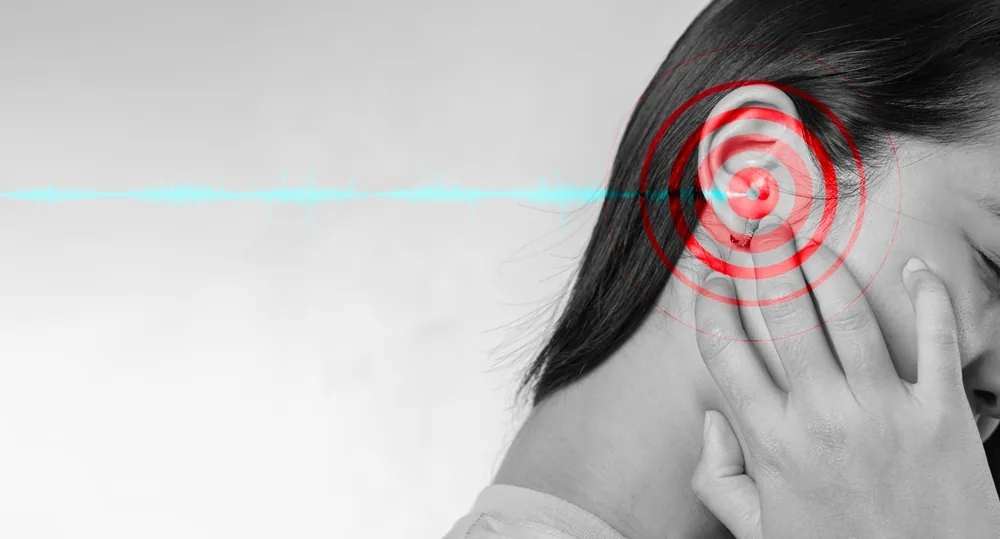
Tinnitus is a condition that affects many people in their daily lives. The constant ringing, hissing or buzzing in the ear can be very distressing and significantly impact daily life. If you are dealing with this problem, you may have already heard of so-called tinnitus noisers. These specialised devices have been developed to alleviate the condition and improve the quality of life for those affected. Find out everything you need to know about tinnitus noisers, from how they work and their areas of application to practical tips for everyday life.
Key Takeaways
- What are tinnitus noisers?
- Different types of tinnitus noisers
- How effective are tinnitus noisers?
- Combining tinnitus noisers with other therapies
- Tips and tricks for using tinnitus noise generators
- Proper care and maintenance of tinnitus noise generators
What are tinnitus noise generators?
A tinnitus noiser, often referred to as a white noise machine, is a small electronic device specifically designed to cover up or mask tinnitus sounds. Unlike hearing aids, which are intended to improve hearing, a tinnitus noiser deliberately generates white noise or other pleasant sounds that help the ear to perceive the tinnitus less.
The basic idea behind these devices is relatively simple: tinnitus noise generators produce a continuous, neutral sound that encourages the brain to focus on this sound rather than on the disturbing noise in the ear. This can help to make the disturbing noise caused by tinnitus less noticeable. Many sufferers find the noise produced by the noiser soothing, as it balances out the pitch of the tinnitus and thus reduces the perceived intensity of the tinnitus.
Different types of tinnitus noise generators
There are various types of tinnitus noisers that can be used depending on the individual needs and preferences of those affected. Some devices are designed as standalone units that are inserted into the ear, whilst others can be used in combination with a hearing aid. There are also special maskers that are integrated into cushions or other everyday objects and are therefore particularly useful at night.
- In-ear devices: These noisers are small and discreet, similar to a hearing aid. They are worn directly in the ear canal and can be individually tailored to the wearer. The noise can be adjusted to the specific pitch of the tinnitus to achieve the best relief.
- Combination devices: These devices combine the functions of a hearing aid and a noise generator. They are particularly suitable for people who suffer from hearing loss as well as tinnitus. These hearing systems are designed to improve hearing whilst simultaneously masking the disturbing ringing in the ears. The combined noise can be adjusted to specifically target and mask the pitch of the tinnitus.
Stationary devices: These devices are often larger and are placed in the user’s immediate surroundings, for example on a bedside table. They generate a steady background noise or ambient sounds that help with falling asleep. Here too, the pitch of the generated noise can be adjusted to suit the user’s needs.
How effective are tinnitus noisers?
The effectiveness of tinnitus noisers varies from person to person, as tinnitus is a highly individual symptom. For many people, however, these devices are a significant help. Through the continuous use of a tinnitus noiser, the brain can learn to block out the disturbing tinnitus sound, leading to noticeable relief. The noise plays a central role in this, as it influences the pitch of the tinnitus and thus makes the ringing in the ears less intrusive.
Studies and user reports show that consistent use of tinnitus noisers in combination with other therapies, such as Tinnitus Retraining Therapy (TRT), can lead to particularly good results. It is important that a noiser is used under the guidance of an ENT specialist or hearing care professional to ensure optimal fitting and effectiveness. Hearing aids equipped with an integrated noiser can be particularly effective, especially in cases of concurrent hearing loss, as they improve hearing ability whilst simultaneously generating the noise to alleviate tinnitus.
Combining tinnitus noisers with other therapies
Successfully managing tinnitus often requires a multimodal therapeutic approach. Many experts recommend using tinnitus noisers in combination with cognitive behavioural therapy (CBT) or tinnitus retraining therapy (TRT). These psychological approaches help those affected to reduce negative emotional reactions to the tinnitus and to alter their perception of it.
In Tinnitus Retraining Therapy (TRT), the tinnitus noiser is used as a key component. The aim of this therapy is to train the brain to treat the tinnitus sound as insignificant background noise, similar to the sound of a fridge or an air conditioner. This masking can be particularly effective if the noiser specifically masks the specific pitch of the tinnitus.
By combining these methods, those affected can experience a significant improvement in their quality of life.
Tips and tricks for using tinnitus noise generators
The correct use of tinnitus noise generators is crucial to their effectiveness. Many sufferers wear their noise generator throughout their waking hours, particularly during quiet moments when the ringing in the ears is most noticeable. However, it is also possible to use the noise generator only in specific situations, such as when falling asleep or during stressful moments.
It is advisable to increase the use of the noiser gradually to get used to the new sound. Start with short periods of use and gradually extend them, depending on how well you get used to the sound. Your ENT specialist or hearing care professional can help you determine the right duration of use for your needs. Adjusting the pitch of the noise can also help to mask the tinnitus more effectively.
Integrating tinnitus noisers into your daily routine
Tinnitus noise generators should be considered part of your daily routine. Regular use can help train the brain over the long term to become less and less aware of the tinnitus. Here are some tips on how to integrate the noise generator into your daily life:
In the morning when you get up: Start your day by putting on the noiser to immediately alleviate the disturbing ringing in your ears. The steady white noise helps to mask the pitch of the tinnitus and allows you to start the day feeling relaxed.
During work: Use the Noiser during quiet periods at work to improve your concentration and block out distracting ambient noise. The white noise can help push the ringing in your ears into the background and minimise your perception of the tinnitus. In the evening before bed: Wear the Noiser as you fall asleep to mask the tinnitus and promote better sleep. The gentle white noise, which can be adjusted to match the pitch of your tinnitus, makes it easier to fall asleep and improves the quality of your sleep.
Proper care and maintenance of tinnitus noisers
As with all electronic devices, it is important to care for and maintain your tinnitus noiser regularly. This ensures that the device works for a long time and always delivers optimal results. Clean the noiser regularly with a soft cloth and avoid contact with moisture. Store the device in a dry place and change the batteries regularly to ensure consistent performance.
If you experience technical issues with your noiser, do not hesitate to consult your hearing care professional. Regular check-ups can help identify and resolve potential problems at an early stage. If you are using a combination device with a hearing aid, it is important to have both the noiser and the hearing aid serviced regularly to ensure they both function optimally.
Technological advances in tinnitus noisers
Technology is constantly evolving, and there are regular innovations in tinnitus noisers too. Modern devices now offer a wide range of functions that go beyond simply masking tinnitus. Some noise generators are now equipped with Bluetooth, allowing them to be connected to hearing aids, smartphones or other devices. This enables the user to customise the background noise or play music and other soothing sounds directly through the noise generator.
The integration of artificial intelligence (AI) into tinnitus noise generators is also an exciting new field. Future devices could be capable of analysing the user’s listening environment in real time and automatically adjusting the generated sound to achieve the best possible masking effect.
Frequently asked questions about tinnitus noisers
Are tinnitus noisers suitable for everyone?Although tinnitus noisers can be an effective solution for many people, they are not suitable for everyone. People who suffer from severe tinnitus or whose tinnitus is caused by specific medical conditions should always consult a doctor before using a noiser. A noiser should always be considered as part of a comprehensive treatment plan tailored to the patient’s individual needs.
How long does it take to see results with a tinnitus noiser?The time it takes to achieve noticeable results with a tinnitus noiser varies greatly. Some people notice an improvement in their symptoms within a few days, whilst for others it can take weeks or even months. Patience and consistent use are key to success. It is also important to keep expectations realistic and to view the noiser as part of a comprehensive approach to managing tinnitus.
How long should one wear a masker or noiser?The duration for which a masker or noiser should be worn depends on individual needs and the recommendation of the treating specialist. In general, it is recommended to wear these devices for several hours a day, particularly whilst awake. It is important to start wearing them gradually so that the brain can get used to the sound therapy. Many people wear a masker or noiser for around 6 to 8 hours a day. Your ENT specialist or audiologist can provide specific recommendations tailored to your personal progress and response to the therapy.