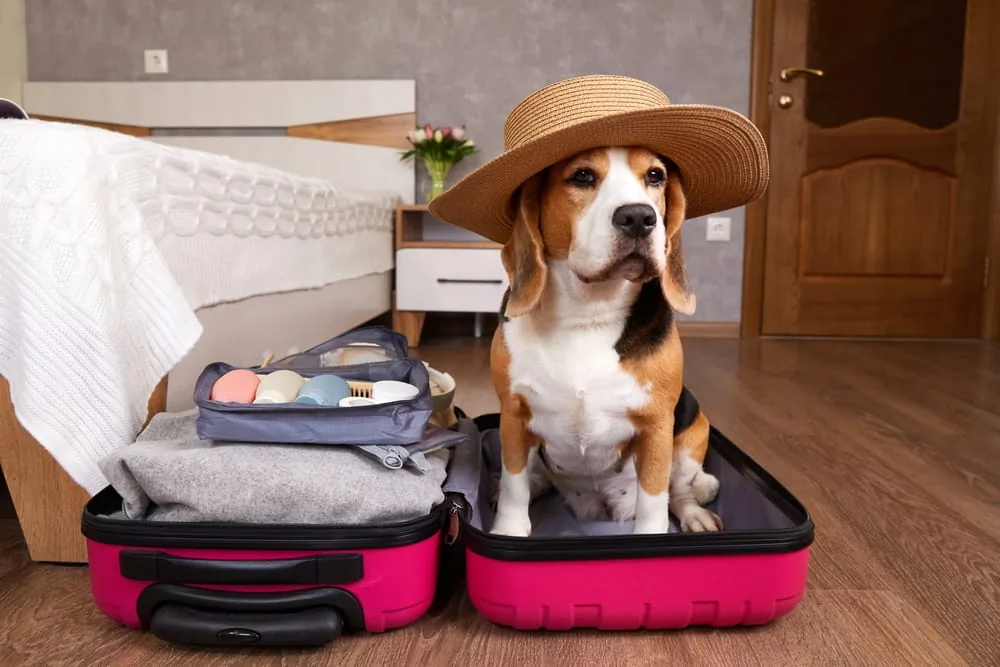
For many older people, a pet is a loyal companion in everyday life. When a holiday is on the horizon, the question arises as to whether and how their four-legged or feathered friend can come along on the trip. Find out what to bear in mind when travelling with a pet as a senior citizen, which types of holiday are suitable, and how to prepare successfully.
Why travelling with a pet in later life can be enriching
For many older people, pets are far more than just housemates. They provide structure to the day, offer companionship and encourage physical activity. These positive aspects need not be lost whilst on holiday. With the right planning, older travellers can discover new places together with their pet.
Emotional bond and well-being
The bond between humans and animals often becomes particularly close over the years. Especially in old age, when social contact sometimes becomes less frequent, the pet takes on an important role in daily life. Separation during a holiday can be stressful for both parties. The pet misses its familiar caregiver, whilst the owner worries about the well-being of their four-legged friend.
Travelling together can avoid this stress and even enrich the holiday experience. A walk on the beach with the dog or relaxing evenings with the cat on the balcony of the holiday flat create special moments. Anyone wishing to learn more about the topic of loneliness in old age will find further information on the social aspects of ageing.
Structure and routine whilst on the move
Pets bring structure to everyday life. Fixed feeding times, regular walks and daily grooming give the day a rhythm. This routine can also be maintained whilst on holiday and helps to structure daily life during the break. This consistency can be particularly valuable for people who are retired.
Preparing and planning the trip
Careful preparation is the key to a successful holiday with a pet. The earlier you start planning, the more relaxed the trip will be.
Health check at the vet
A visit to the vet is recommended before any long journey. There, the vet can check whether the animal is fit to travel and whether all vaccinations are up to date. A thorough examination is particularly important for older animals, as changes in stamina or chronic conditions can affect their ability to travel.
The vet can also provide information on any necessary preventive measures for your destination. Depending on the region, additional vaccinations or parasite treatments may be required. Travelling to southern countries, for example, often requires special protection against sand flies or heartworms.
Documents and entry requirements
For travel within the European Union, dogs, cats and ferrets require an EU pet passport. This blue passport documents the animal’s identity and contains details of vaccinations. A microchip is required for clear identification. The rabies vaccination must be valid and, for the initial vaccination, must have been administered at least 21 days before departure.
For travel outside the EU, different regulations apply depending on the destination country. Some countries require additional health certificates, quarantine periods or specific treatments against parasites. These requirements should be researched well in advance, as some preparations can take several weeks. Entry requirements may change, so it is advisable to check the latest information before travelling.
First-aid kit for your pet
A well-stocked first-aid kit should be packed. This includes regularly required medication, remedies for diarrhoea and vomiting, and dressings for minor injuries. Tick repellent and sun protection for sensitive skin areas should also be included. The vet can provide individual recommendations and, if necessary, prescribe medication for the journey.
Health check at the vet
A visit to the vet is recommended before any long journey.
Documents and entry requirements
For travel within the European Union, dogs, cats and ferrets require an EU pet passport.
Travel first-aid kit for your pet
A well-stocked first-aid kit should be packed.
Choosing the right mode of transport
The right mode of transport depends on various factors. In addition to your destination, your own mobility, the size of the animal and its travel experience all play a role.
Travelling by car
Travelling by car offers many advantages when travelling with a pet. The route can be planned flexibly, breaks can be taken at any time, and luggage can be stowed away easily. This flexibility is particularly valuable for older travellers, as they can set their own pace.
The animal should be securely accommodated during the journey. Transport crates or special safety harnesses are suitable for dogs. Cats feel safest in a sturdy transport crate. Regular breaks every two to three hours allow for exercise and water intake. Particular caution is required on hot days, as animals should never be left in a parked car.
Travelling by air with a pet
Air travel places special demands on both the animal and the owner. Many airlines allow small dogs and cats to travel in a carrier in the cabin, provided the total weight does not exceed certain limits. Larger animals are transported in the air-conditioned hold.
Bookings should be made well in advance, as the number of animals per flight is limited. The airline will provide information on specific requirements for transport crates and necessary documents. Air travel can be stressful for older animals or those with health issues. In such cases, it is advisable to discuss the matter with your vet. Further guidance on air travel for older animals can help with planning.
Train and ferry as alternatives
Travelling by train can be less stressful for pets than flying. In many European countries, dogs and small animals are permitted to travel in carriers. Larger dogs often require a ticket and must be kept on a lead and wear a muzzle. Regulations vary depending on the railway company and should be clarified in advance.
Ferry crossings offer a relaxed way to travel with your pet. Many ferries have special cabins for passengers with pets or areas on deck where dogs can be walked. This can make the crossing a pleasant part of the journey.
Finding the right accommodation
Not all accommodation welcomes pets. It is therefore important to search and book well in advance.
Pet-friendly hotels and guesthouses
Many hotels now offer pet-friendly rooms. When booking, you should ask specifically which animals are permitted and whether there are any additional costs. Some hotels provide food bowls, beds or toys. Others have fenced-off areas where dogs can run freely. Practical
considerations can also play a role when choosing accommodation. A ground-floor room makes access easier for older people and their four-legged friends. Proximity to green spaces or a beach makes walks hassle-free.
Holiday flats and holiday homes
Holiday flats and holiday homes often offer more space and flexibility than hotel rooms. Your pet has more freedom of movement, and it is easier to maintain their usual daily routine. A fenced-in garden is particularly practical for dog owners.
When booking, you should pay attention to the house rules. Some landlords only allow pets under certain conditions or charge an additional cleaning fee. Clear agreements in advance prevent misunderstandings.
Travelling with your pet
There are a few things to bear in mind during the journey and at your holiday destination to ensure that both you and your pet can enjoy your time together.
Take familiar items with you
A little piece of home gives your pet a sense of security in unfamiliar surroundings. Their favourite bed, a familiar blanket or their usual toys can help reduce stress. You should also take a sufficient supply of their usual food, as a sudden change in diet can upset their stomach.
Adapting to the climate and surroundings
Depending on your destination, the climate may differ significantly from what you are used to. Heat is stressful for many pets. Walks should take place during the cooler morning or evening hours. Sufficient drinking water must always be available. Dogs with light-coloured coats or short snouts are particularly susceptible to heat. The surroundings at your
holiday destination can also present new challenges. Poisonous plants, unfamiliar animals or unsafe terrain require attention. Keeping a watchful eye protects your pet from danger.
Consideration for other holidaymakers
Not everyone is an animal lover, and some people have allergies or fears. Showing consideration for other holidaymakers is part of respectful coexistence. Dogs should be kept on a lead in public places unless there are designated off-lead areas. Waste must, of course, be disposed of properly.
Special considerations for older travellers
Travelling with a pet requires a certain level of physical fitness and organisational skills. As you get older, certain aspects may require special attention.
Assessing your own capabilities
It is important to be honest with yourself. Looking after a pet whilst travelling involves additional tasks. Feeding, walking, carrying the carrier or being able to react quickly in an emergency may be necessary. Anyone with physical limitations should consider whether travelling with a pet is manageable.
One possible solution is to travel with a companion. Family members, friends or professional travel companions can provide support and step in if necessary. Some tour operators also offer group trips for seniors with pets, providing a safety net.
Make emergency provisions
Provisions should be made in case health problems arise during the trip. A list of contact details for vets at the holiday destination can be helpful. You should also know the address of the nearest veterinary clinic. Having the telephone number of your local vet’s surgery allows you to contact familiar contacts if you have any questions.
At the same time, it makes sense to make provisions for your own emergency. A trusted person should be aware that a pet is travelling with you and be able to take care of it in an emergency.
Alternative solutions if you cannot take your pet
It is not always possible or practical to take your pet with you when travelling. In such cases, there are alternatives that ensure your pet is well looked after.
Care by family or friends
Staying with people the pet knows well is the least stressful solution for many animals. The pet remains in its familiar surroundings or goes to people it already knows. Clear arrangements regarding feeding, care and vet visits are important.
Professional boarding kennels and pet sitters
Pet boarding facilities offer professional care whilst you are away. When choosing one, make sure to select a reputable provider. A viewing appointment before booking gives you an insight into the accommodation and quality of care. Mobile pet sitters who come to your home allow the pet to remain in its familiar surroundings.
Note
The following overview is for general information only and does not replace veterinary advice. If you have any questions regarding your pet’s fitness to travel or health issues, you should consult a vet. Entry requirements and transport regulations are subject to change and should be checked for the latest information before you travel.