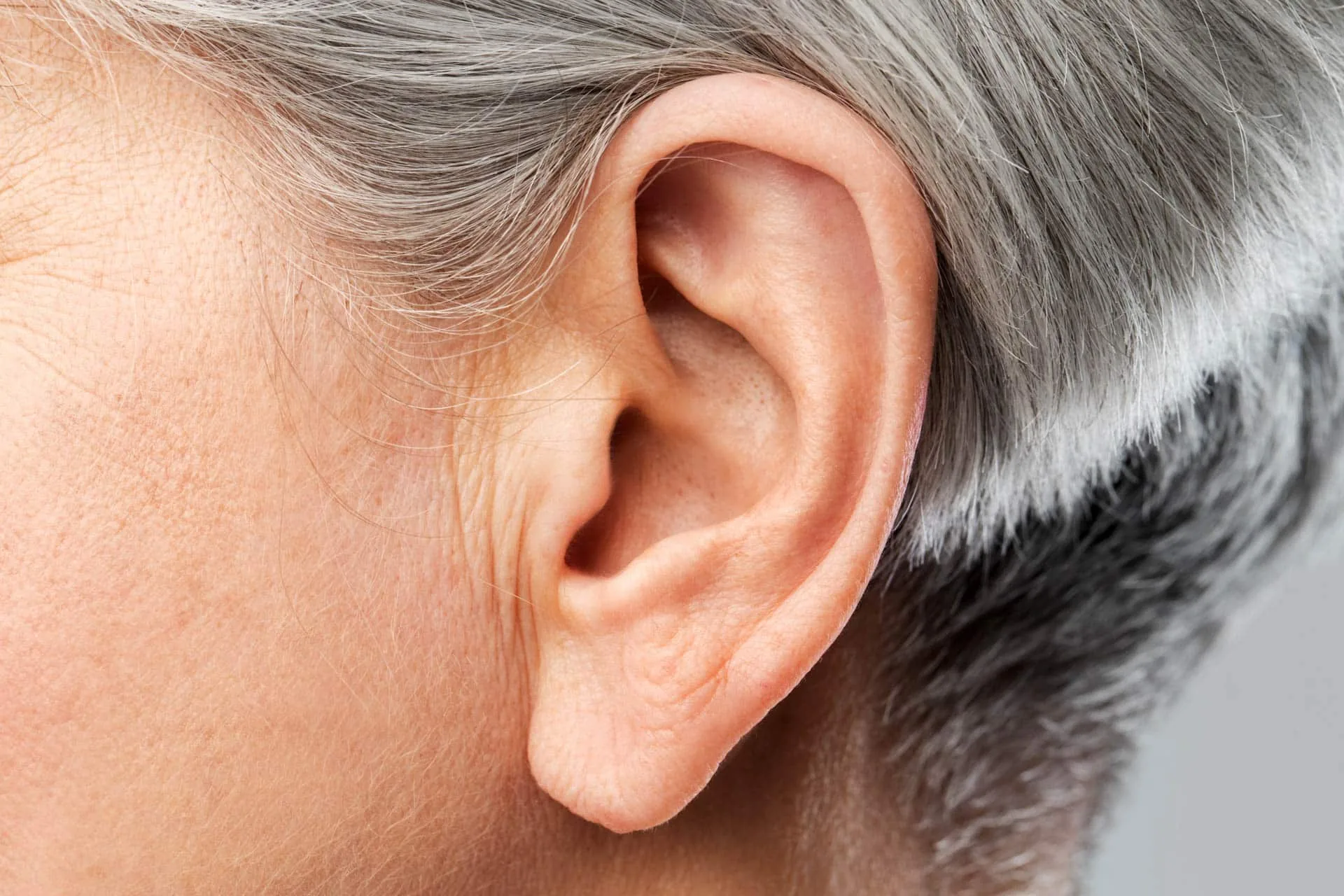
The ear canal is a sensitive part of our body that is often neglected. Many people are unaware of how important it is to look after and clean it properly. Below, you can find out more about ‘ear canal care and cleaning’ and why it is particularly important for hearing aid users and people who frequently use headphones.
Key Takeaways
- Why is cleaning the ear canal so important?
- Identifying and removing earwax blockages
- The pitfalls of cotton buds
- Special consideration: hearing aids and headphones
- Ear canal care and hearing problems
- Prevention is the best approach
Why is cleaning the ear canal so important?
The ear is a masterpiece of nature; it has a kind of self-cleaning mechanism. The ear canal produces cerumen, also known as earwax, which helps to keep out dirt and bacteria and protect the skin of the ear canal. It sounds paradoxical, but cleaning too much can put your ears at risk, as it can impair this natural protective mechanism. This could result in injuries, inflammation and, consequently, earache. So when and how should we clean our ears?
Identifying and removing earwax blockages
Sometimes, however, earwax can clump together to form a blockage and obstruct the ear canal. You can recognise this situation by the following signs:
- You have reduced hearing in one ear
- You have a feeling of pressure in your ear
- You may also experience ringing in the ears or pain
If you notice any of these symptoms, it is advisable to consult a doctor or an ENT specialist rather than attempting to remove the plug yourself. The doctor has various options for safely removing an earwax plug. These include:
- Ear irrigation: This method uses warm water or a special irrigation solution to gently flush the earwax plug out of the ear canal. However, this should only be carried out by a professional to minimise the risk of injury.
- Suction: In some cases, the doctor can remove the blockage using a special instrument. This is an effective and gentle method of cleaning the ear canal.
- Manual removal: In certain situations, the doctor can manually remove the earwax plug using special instruments. However, this requires skill and experience to avoid the risk of injury.
The pitfalls of cotton buds
Cotton buds may be small and handy, but they are not really suitable for cleaning the ear canal. They often just push the dirt deeper into the ear and can even damage the eardrum. Furthermore, they can hinder the ears’ natural self-cleaning process by removing the wax and tiny hairs that are necessary for cleaning. So, if cotton buds aren’t the solution, what is?
The correct method for cleaning the ear canal
Let’s start with the outer ear. You can clean this with a flannel and warm water. It is important to ensure that no water gets inside the ear.
For the ear canal itself, there are various methods and products available for cleaning. Here are a few tips:
- Ear drops or ear wash: There are special solutions available to buy from a chemist. These help to dissolve and remove earwax. After use, the ear should be rinsed out with warm water.
- Baby oil or olive oil: A few drops of this in the ear can help to remove excess earwax naturally. Here too, the ear should be rinsed out with warm water afterwards.
- Ear candles: These are an old method of ear cleaning, although there is no scientific evidence to support their effectiveness.
Please remember to always be careful when cleaning your ears to avoid injury. If you experience any discomfort or have any doubts, please always consult a doctor.
Special note: Hearing aids and headphones
People who regularly use hearing aids or headphones should pay particular attention to cleaning their devices and ears regularly.
Dirt, earwax and other deposits can quickly build up, particularly in hearing aids, which are usually placed directly in the ear canal. If these are not removed regularly, they can impair the sound quality of the hearing aid and even lead to malfunctions. Furthermore, untreated deposits can also lead to infections or irritation of the ear canal.
It is therefore very important to be aware of how crucial thorough cleaning and care are in this context.
Ear canal care and hearing problems
Regular and proper care of the ear canal is not only important for preventing earwax blockages or infections. It also plays a crucial role in preventing hearing problems. Excess earwax that accumulates and forms a plug can lead to temporary hearing loss. It is therefore essential to clean the ears gently to remove excess earwax without damaging the delicate skin of the ear canal.
It is equally important not to disrupt the ear’s natural protective mechanism, as excessive cleaning can dry out the ear and make it more susceptible to bacteria. If you experience any signs of hearing problems, such as a persistent feeling of blockage in the ear, ringing in the ears or pain, you should definitely consult an ENT specialist.
Prevention is the best approach
Prevention is still the best strategy. Good ear care can help protect your hearing in the long term.
Here are some tips to help prevent ear and hearing problems:
- Avoid loud noises and protect your ears from noise.
- Keep your ears dry, especially after swimming or showering.
- If you use hearing aids or headphones regularly, they should be cleaned and serviced regularly.
- Clean your ears regularly, but gently, and avoid inserting cotton buds into the ear canal where possible.
- Visit an ENT specialist regularly to have your hearing checked and monitored.