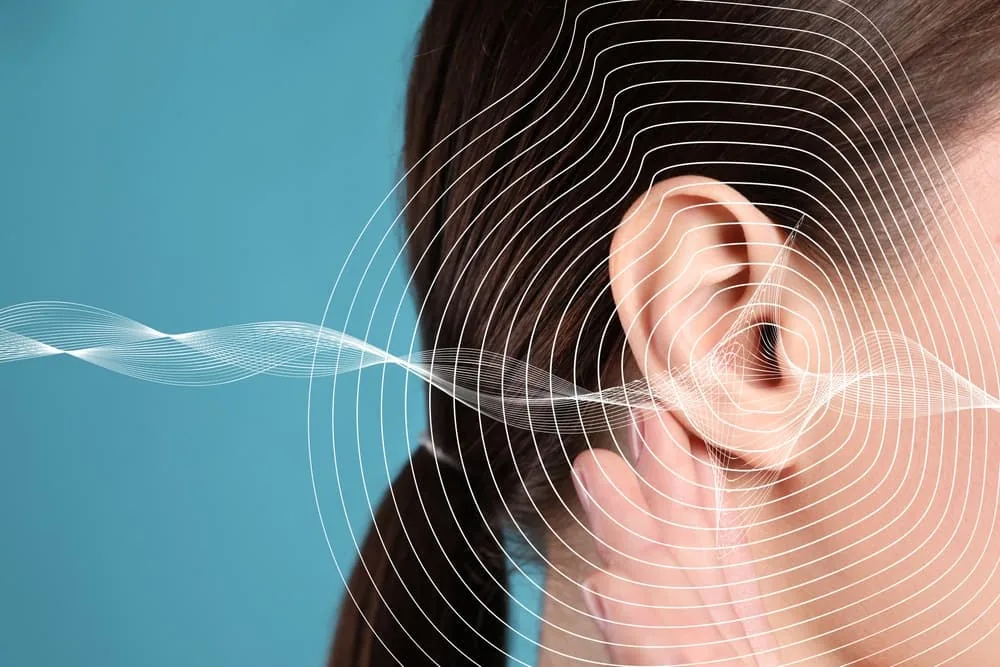
Most people have probably experienced ringing in the ears at some point: a high-pitched ringing, buzzing or hissing sound in the ear, often following particularly loud situations, but which usually disappears quickly.
But these noises do not always go away; sometimes they become an unwanted part of everyday life.
Find out below what tinnitus is, what causes it, when it becomes chronic, and what treatment options are available.
Key Takeaways
- What is tinnitus?
- What types of tinnitus are there?
- Which noises in the ear are normal? Which types of tinnitus are dangerous?
- Ringing in the ears or tinnitus?
- Causes of ringing in the ears
- What to do about ringing in the ears?
What is ringing in the ears?
Noises in the ear are sounds that people perceive even though they cannot be attributed to any external sound source. Rather, these noises originate in the ear itself. Nevertheless, they may also seem to those affected as if they were coming from outside.
These noises in the ears manifest themselves in very different ways depending on the person and the cause, for example as hissing and roaring, as a humming or hissing sound, or as ringing, whistling or beeping. Both the duration and the volume or pitch can vary. Sometimes the noises are in one ear only; in some cases, they occur in both ears.
As a rule, ringing in the ears is harmless and short-lived. It occurs, for example, when we have been exposed to noise such as loud music or the sound of power tools. It usually disappears again after one to a few minutes. However, if the ringing in the ears persists and has not gone away even after several weeks, this is referred to as chronic tinnitus.
What types of ringing in the ears are there?
As already mentioned, tinnitus can manifest in a wide variety of forms, ranging from whistling and ringing to roaring, hissing, humming, crackling or other sounds.
Typical types of ringing in the ears include
- Ringing in the ears: The term ‘ringing in the ears’ is often used to describe short-lived sounds in the ears, in contrast to tinnitus, where the sound is usually heard continuously by the person affected. However, ringing in the ears can also manifest itself in different sounds (crackling, humming, whistling, etc.), volumes and frequencies.
- Ear noise: For many people affected, a hissing sound in the ear sounds like a constant background noise. To some, this hissing sounds like the sound of water or wind; to others, like television or radio static. The hissing can occur continuously or temporarily, and vary in volume and intensity. Sometimes the hissing is in one ear, sometimes in both.
- Whistling in the ear: Whistling in the ear is often described as particularly unpleasant, especially when it is a constant whistling or beeping sound. A whistling sound in the ear is frequently associated with tinnitus, even though tinnitus can also manifest itself through other ear noises such as hissing or humming. This depends on the individual or the cause, etc.
Pulsating ear noises: Pulsating ear noises sound or feel like a regular throbbing, as if you could hear your heartbeat in your ear. This may also be a case of so-called “pulse-synchronous tinnitus”. In this case, the ear noise is synchronised with the heartbeat, increasing or decreasing in time with it.
Ringing in the ears can also occur in many other forms or tones, including a roaring, humming, crackling, ringing or hissing sound. For some sufferers, the ringing in the ears sounds like a babble of voices or murmuring, as if several people were talking. Others, in turn, even experience the ringing in their ears as music or a melody.
Which noises in the ear are normal? Which noises in the ear are dangerous?
Often, tinnitus is no cause for concern. It can occur quickly if we have been exposed to noise for too long, for example at concerts or in a nightclub, on a building site or in traffic. Afterwards, ‘normal’ tinnitus such as a roaring or ringing sound may occur, but this usually disappears on its own after a short time.
However, ringing in the ears can sometimes also indicate an illness or a serious condition. These ear conditions include, for example, middle ear infection, ear canal inflammation, Meniere’s disease, fluid in the middle ear, sudden hearing loss or a cholesteatoma. Furthermore, ringing in the ears can indicate the onset of hearing loss.
Particularly if you notice other symptoms alongside the ringing in the ears, such as earache, fever, dizziness or hearing loss, or if the ringing does not go away on its own, you should definitely see an ENT specialist. They can discuss the appropriate treatment with you.
Ringing in the ears or tinnitus?
Contrary to popular belief, ringing in the ears is not always tinnitus. Tinnitus is only diagnosed when the ringing is persistent, meaning it occurs not just temporarily but over a prolonged period.
The triggers for tinnitus can vary greatly, because - as many people are also unaware - tinnitus is a symptom, not a disease.
But unlike ‘normal’ noises in the ears, the sounds of tinnitus do not go away. They remain permanently. Furthermore, the sounds associated with tinnitus cannot be traced to a specific source, as they do not come ‘from outside’ but originate within the affected person’s ear. Consequently, tinnitus is difficult to treat and can also be very distressing, both physically and psychologically.
Causes of ringing in the ears
Much like with earache, the reasons, causes or triggers for ringing in the ears can vary greatly. Some triggers are listed below:
- Noise: Noise is a particularly common cause of ringing in the ears. For example, if we are exposed to loud noises such as music, traffic or construction site noise for too long, we often notice a ringing, buzzing or hissing sound afterwards. Furthermore, noise can damage the cochlea in the inner ear, leading to tinnitus.
- Stress: Inner restlessness, anxiety and stress can manifest in various physical symptoms, including ringing in the ears.
- Illnesses: Ringing in the ears is also a symptom of many ear diseases or injuries, such as sudden hearing loss, middle ear infection, ear canal inflammation or otosclerosis, a condition in which changes to the bone structures in the inner and middle ear impair the transmission of sound. However, tinnitus can also occur as a symptom of colds, flu or COVID-19.
- Problems with the cervical spine: In addition to various medical conditions, muscle tension is also thought to trigger tinnitus; research is currently focusing on tinnitus caused by neck tension in particular.
- High blood pressure: High blood pressure is also considered a cause of ringing in the ears. This is because high blood pressure can impair blood supply to the inner ear. Conversely, a pulsating sound in the ear can be an early symptom of high blood pressure and should ideally be checked by a doctor.
- Ringing in the ears after surgery: Many patients also notice ringing in the ears following an operation. Reasons for this may include, for example, high blood pressure, stress and anxiety related to the operation, or, in the case of ear surgery, the tamponade in the ear. It is important to inform the treating doctor about any ringing in the ears to rule out possible damage to the inner ear.
- Medication: Taking certain medications can also cause ringing in the ears. It is therefore essential that you inform your doctor of this during your examination.
Hearing loss: In the case of hearing loss, signals from the ear to the brain are no longer transmitted or processed correctly. Causes may include damage to the hair cells in the inner ear or problems with the auditory nerve. These damaged hair cells can result in certain sounds and frequencies no longer being transmitted, or being transmitted ‘incorrectly’.
What to do about tinnitus?
If you notice ringing in your ears, it is important first and foremost not to ignore it and to observe it closely. If the symptoms do not improve, regardless of their severity, it is always important to consult an ENT specialist. They can make the correct diagnosis and, if necessary, determine the appropriate treatment.
If you are diagnosed with chronic tinnitus, there are a number of aids and measures that can help alleviate the symptoms, reduce the ringing in the ears and thus improve your quality of life.
These include, amongst others
- Hearing aids: Ringing in the ears or tinnitus can be treated with hearing aids. Special hearing aids featuring a so-called tinnitus noiser or tinnitus masker are usually used for this purpose. These noise generators produce ‘white noise’, a steady sound that masks the tinnitus.
- Tinnitus apps: There are now various apps available for smartphones and tablets designed to help tinnitus sufferers. They offer, for example, information, relaxation exercises, meditation and sound therapy, or filter the individual’s tinnitus frequency from their favourite music for personalised therapy.
- Medication: Various circulation-boosting and anti-inflammatory medications may also be used in the treatment of ringing in the ears and tinnitus. The medication is prescribed by an ENT specialist.
- Home remedies for ringing in the ears: As is so often the case, a healthy, balanced diet is recommended to prevent ear problems. There are also a few foods that promise relief from ringing in the ears, such as ginger and garlic, which promote blood circulation, or foods with anti-inflammatory properties such as turmeric or onions.
- Relaxation and rest: As stress can be a trigger for tinnitus, rest and relaxation are another way to reduce it. Various techniques and exercises, such as meditation, yoga and autogenic training, are ways in which one can actively learn to relax.
Audiotherapy: Through audiotherapy with an audiotherapist, you learn how to cope with hearing loss or tinnitus, and are introduced to tips, tricks and technical aids, amongst other things.