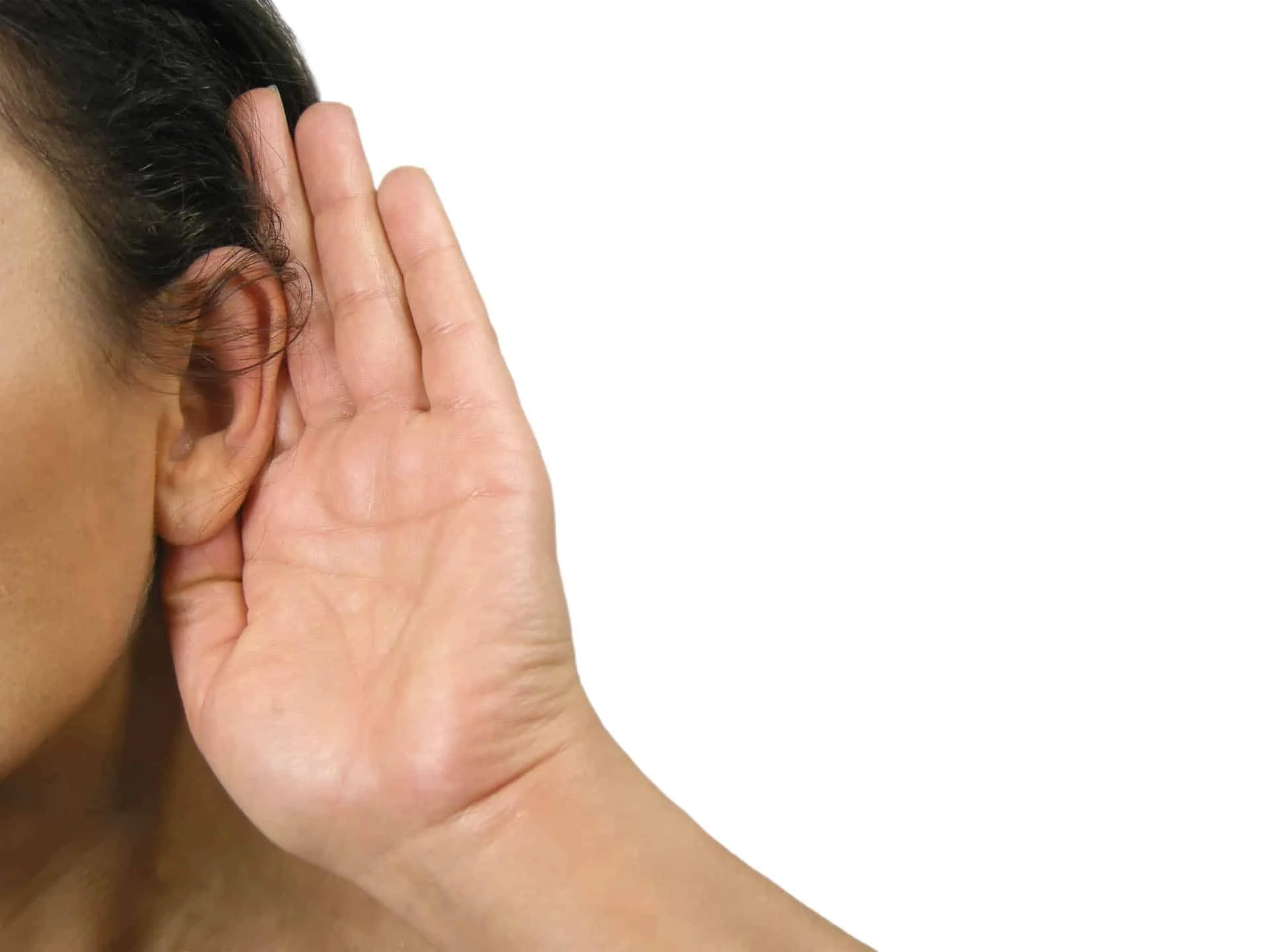
Imagine living in a world where sounds and noises are muffled or even completely silent. For millions of people worldwide, this is the reality. They live with hearing impairment or deafness, two forms of hearing loss that can have a profound impact on our lives. But what exactly is the difference between hearing impairment and deafness? Find out more.
Key Takeaways
- Definition: Hearing impairment and deafness
- Causes of hearing impairment and deafness
- Symptoms of hearing loss and deafness
- Diagnosis of hearing loss and deafness
Definition: Hearing loss and deafness
Hearing loss and deafness are two different types of hearing impairment. Those affected experience a loss of hearing, but the degree and nature of the loss vary.
Hearing loss describes a condition in which a person has difficulty perceiving sounds in one form or another. This can range from a mild inability to hear soft sounds to complete hearing loss. It is also important to note that hearing loss can occur in either one ear (unilateral) or both ears (bilateral). Depending on various factors such as the cause, the degree of hearing loss and individual circumstances, hearing loss can be temporary or permanent and affect people of all ages, from children to older adults.
Deafness, on the other hand, refers to the extreme degree of hearing loss. It is characterised by a total inability to hear sounds. This means that people who are deaf are generally unable to perceive either sounds or speech, regardless of how loud they are. Deafness can be congenital, i.e. present from birth, or it can develop later in life. It is also worth noting that deaf people often use sign language as their primary form of communication.
Although both conditions are forms of hearing loss, they differ significantly in terms of their severity and impact. Consequently, they require individualised approaches to diagnosis, treatment and management.
Causes of hearing loss and deafness
There are numerous factors that can contribute to the development of hearing loss or deafness. These range from genetic predispositions to external environmental influences and physical conditions. Here are some of the most common causes explained in detail:
Damage to the hair cells in the inner ear (cochlea):
These sensitive cells play a key role in converting sound waves into electrical signals that the brain can interpret. They can be damaged by various factors, including excessive volume and prolonged exposure to loud noises, as well as natural ageing processes. If the number or function of these cells is impaired, this results in hearing loss.
Infections:
Certain infections, particularly those affecting the middle ear, can lead to temporary or permanent hearing loss. Middle ear infections, for example, can cause swelling and a build-up of fluid behind the eardrum, which impairs hearing.
Medications:
Some medications, known as ototoxic, can damage hearing. These include certain antibiotics, loop diuretics, and drugs used to treat cancer or severe infections.
Genetic conditions:
Some people are genetically predisposed to hearing loss. These conditions can be passed down from generation to generation and often cause hearing loss or deafness from birth or in early childhood.
Head or ear injuries:
Trauma to the head or ears can affect hearing. This can damage the eardrum, disrupt the ossicles in the middle ear, or affect the inner ear.
Illnesses:
Certain illnesses such as meningitis or measles can lead to hearing loss. These illnesses can damage the inner ear or cause inflammation that affects hearing.
Birth complications:
Complications during pregnancy or childbirth, such as a lack of oxygen, can also lead to permanent hearing loss in newborns.
Symptoms of hearing loss and deafness
Although hearing loss and deafness represent different degrees of hearing impairment, they share a number of similar symptoms. These symptoms can manifest in various situations and in different ways. The most common signs and symptoms of these conditions are examined in more detail below:
Difficulty understanding conversations:
This is often one of the first signs of hearing loss. People experiencing hearing loss frequently report that they struggle to understand conversations, particularly when several people are speaking at once or when they are in noisy environments. They may find that they have to strain harder to hear what is being said, or that they misunderstand words or sentences.
Constant need to turn up the volume on the television or radio:
A person with hearing loss or deafness tends to constantly turn up the volume on electronic devices such as televisions or radios to compensate for the missing sounds. It is not uncommon for family members or housemates to notice that the volume is higher than usual.
Frequently asking for things to be repeated during conversations:
Another common symptom of hearing loss is the need to frequently ask conversation partners to repeat themselves. Understanding conversations can be particularly difficult when speakers cannot see their mouths, as many people with hearing loss also rely on visual cues to understand speech.
Lack of response to loud noises or calls:
In cases of deafness or advanced hearing loss, those affected may not react to loud noises or calls. This symptom is particularly noticeable in children and can be one of the first signs of hearing loss.
It is important to bear in mind that these symptoms can vary from person to person and that not everyone will experience all of them. If hearing loss is suspected, it is important to see a doctor or hearing aid specialist promptly to receive a comprehensive assessment and treatment.
Diagnosis of hearing loss and deafness
The diagnosis of hearing loss or deafness is a process carried out by an ENT specialist. This specialist is responsible for the diagnosis and treatment of conditions affecting the ears, nose and throat, including hearing disorders. Typically, the doctor begins with a thorough medical history of the patient to identify any potential risk factors or previous hearing problems.
Following this, the doctor carries out a series of tests to assess the patient’s hearing. This may include a physical examination of the ear using an otoscope, hearing tests and further investigations to determine the exact type and degree of hearing loss.
An audiogram is often a key part of this diagnostic process. In this test, the patient’s hearing is measured across different frequency ranges and the results are plotted on a graph showing the hearing threshold in decibels (dB) for each ear. This enables the doctor to gain a clear picture of the hearing loss and to understand at which frequencies and at what volume the patient has difficulty perceiving sounds.
Treatment of hearing loss and deafness
Depending on the cause and severity of the hearing loss, various treatment approaches may be chosen:
- Hearing aids can help to amplify sounds and noises.
- Cochlear implants can be useful for certain types of hearing loss or deafness.
- For some people, medical or surgical treatment may be helpful.
- Sign language and lip-reading can help those affected to communicate more effectively.
Living with hearing loss and deafness
Living with hearing loss or deafness can be a challenge. It is important to seek support and learn how to adapt.
A useful aid for people with hearing loss is the OSKAR TV hearing amplifier from faller audio. This specially designed device improves the clarity and intelligibility of spoken TV sound by reducing background noise and highlighting speech. It is particularly helpful for people with hearing loss, as it allows them to enjoy TV programmes without excessive volume, so that other people in the room are no longer disturbed. With technologies such as the OSKAR TV hearing amplifier, people with hearing loss can improve their quality of life and continue to enjoy their favourite activities.