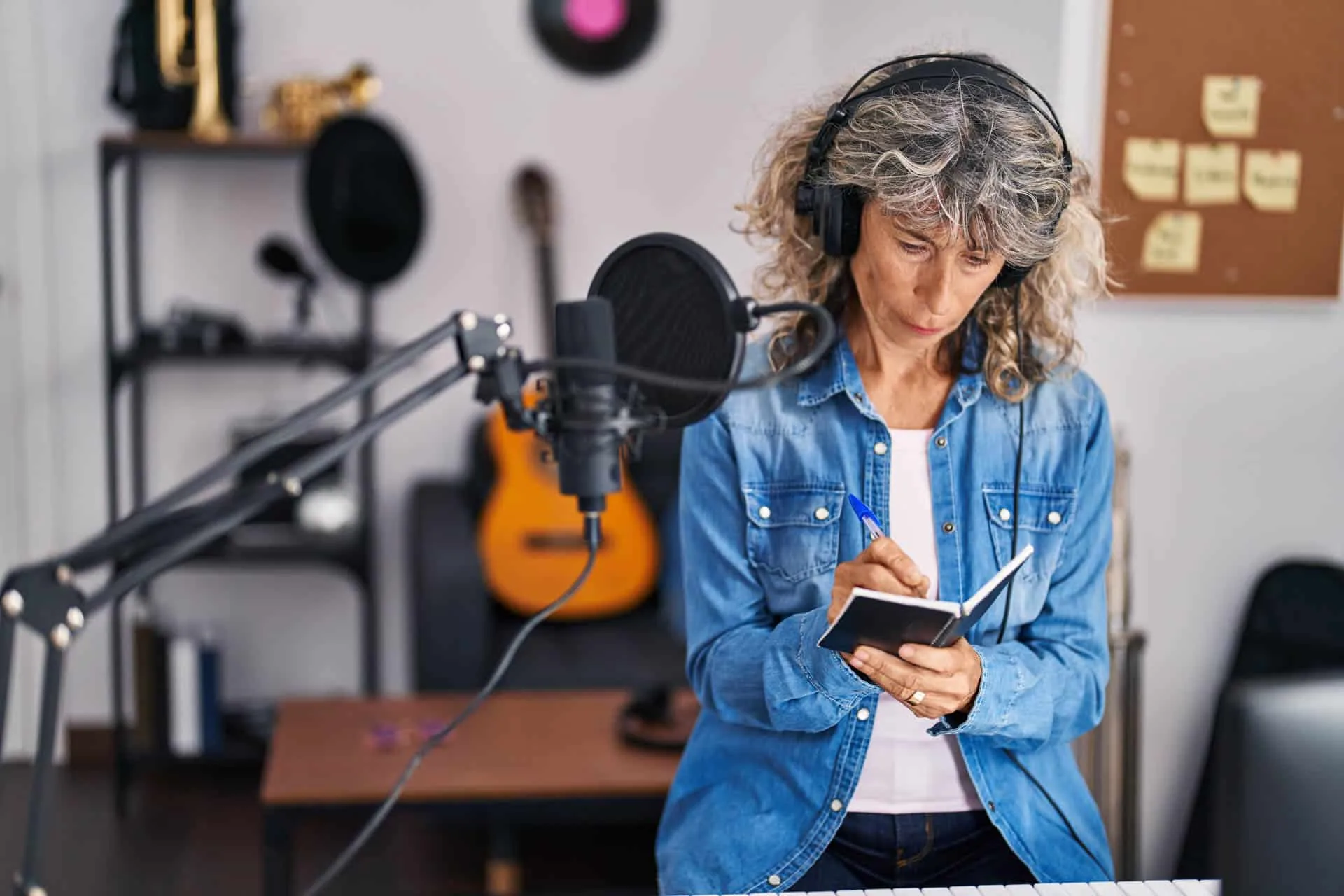
Our hearing is a marvel of nature, which is precisely why we should treat it like a treasure. Noise is everywhere and is often louder than we realise. Hearing protection prevents damage to our ears and a decline in our quality of life. Because one thing is clear: hearing damage is usually irreversible.
Key Takeaways
- When and why is hearing protection important?
- Common sources of noise in everyday life
- What types of hearing protection are available?
- What should you bear in mind when using hearing protection?
- What is the best way to protect myself from noise?
When and why is hearing protection important?
Hearing protection is always important when noise levels are extremely high. And this is more often the case than you might think. Noise occurs in a wide variety of situations in our lives, from work to leisure activities. And far too often we underestimate the danger of noise, which not only disturbs our peace of mind but can also affect our health, particularly our hearing.
This is because when we hear, our ear processes the incoming sound waves. If these sound waves are too prolonged or too loud, the hair cells in the inner ear can be damaged. The result can be permanent hearing loss.
As a general rule, noise sources exceeding 85 dB over a prolonged period can cause permanent hearing damage without adequate protection. Accordingly, you should always wear hearing protection when in environments with elevated noise levels, i.e. 80 dB or above. Recommended options include earplugs, earmuffs or noise-cancelling headphones.
Common sources of noise in everyday life
The table below provides an overview of various sources of sound and noise that we encounter in everyday life. Decibels (dB) are the unit used to measure the intensity of sound waves or the sound pressure level, which represents the human perception of volume.
| NOISE SOURCE | DEcibels |
|---|---|
| Whisper | 30dB |
| Library | 40dB |
| Normal conversation | 60dB |
| Road traffic | 70 - 85dB |
| Vacuum cleaner | 70 dB |
| Hairdryer | 80 dB |
| Lawnmower | 90dB |
| Loud music through headphones | 100 - 110 dB |
| Concert/disco | 110 - 120 dB |
| Chainsaw | 110 dB |
| Siren at a distance of 5 m | 120 dB |
| Chainsaw | 120dB |
| Jet aircraft | 140dB |
These decibel figures are averages and may vary depending on the device and environment. Furthermore, noise is generally perceived subjectively. Nevertheless, the figures show that most people are exposed to harmful noise much more often than they might think.
What types of hearing protection are available?
We are exposed to noise in a wide variety of situations, for example, when we are near construction sites with heavy machinery, walking through busy city centres with heavy traffic and crowds, at concerts or festivals, at work with loud machines and equipment, and even at home when we use household appliances such as vacuum cleaners and lawnmowers. Accordingly, there are many situations in which different types of hearing protection are recommended:
- Noise-cancelling headphones: Thanks to their over-ear design and effective insulation, these offer excellent noise protection. They cover the entire ear and significantly reduce the impact of external noise. They are particularly suitable for long periods of use in noisy environments and often offer additional features such as communication technology.
- Earmuff-style hearing protection: Earmuff-style hearing protection, consisting of two sound-absorbing ear cups connected by an adjustable headband, is worn over the ears. The cups are usually filled with soft foam or other sound-absorbing material to ensure optimal noise insulation. This type of hearing protection is commonly found in industrial settings where users are regularly exposed to machine noise.
- Earplugs: These small, discreet noise protectors, often referred to simply as earplugs, fit directly into the ear canal and provide practical noise insulation. They are ideal for occasional use, such as at events or on public transport, and are easy to carry.
- Custom-made earplugs: Custom-made earplugs, or custom-moulded earplugs, are often individually fitted and therefore offer an optimal fit and maximum protection. They are particularly recommended for users who, due to the specific shape of their ears, find it difficult to wear standard earplugs, or who require a long-term and comfortable solution for regular exposure to noise.
What should you bear in mind when choosing hearing protection?
Whether on a building site or at a rock concert, reliable hearing protection plays an indispensable role in environments with high noise levels. Very important: choose a model that is best suited to your individual requirements. This is because the earplugs used on a building site differ fundamentally from those you would wear at a concert.
The effectiveness of hearing protection is usually measured by the Noise Reduction Rating (NRR). This value indicates how many decibels of noise are reduced, provided the protection fits perfectly. A high NRR is particularly important in noisy situations.
But all this is of little use if the protection doesn’t fit properly. Hearing protection that doesn’t fit correctly lets too much noise through, which can put your ears at risk. That is why it is essential to follow the instructions for use carefully and, if necessary, consult a professional to ensure the hearing protection is fitted perfectly. This is the only way to truly ensure that your ears receive the best protection.
Comfort is also a key factor: whether you’re using earmuffs, earplugs or noise-cancelling headphones, hearing protection that feels tight or pinches will tempt you to take it off - and that’s exactly when your ears are once again exposed to full volume. It’s worth looking for products that remain comfortable even after hours of use.
Where can you buy good hearing protection?
Many online shops offer a wide range of hearing protection to suit different needs. On specialist websites for work and safety equipment, you can find a wide variety of models and order them directly.
For personal advice and the chance to try out different types of hearing protection in terms of safety, comfort and fit, it’s worth visiting a specialist shop. Pharmacies and hearing aid specialists often stock hearing protection too and can offer expert advice.
Important: When it comes to hearing protection, make sure you choose quality! The right hearing protection is an investment in your health.
What is the best way to protect myself from noise?
As we now know, hearing protection is essential in situations or environments with high noise levels. There are also other ways to protect yourself from noise in everyday life. Here are a few final tips:
- Close the windows: Especially in busy and noisy areas, closing the windows can be a simple yet effective way to keep street noise out.
- Buy ‘quiet’ appliances: Many household and office appliances are now significantly quieter than they were a few years ago. Consider investing in new appliances if necessary.
- Choose quiet routes: Whether on foot or by bike, try to use roads with less traffic where possible.
- Take regular breaks: Give yourself and your ears regular breaks, especially after “loud periods”.
- Keep the volume down: Keep the volume of music or the television at a moderate level.
- Take care of your voice: Avoid shouting or speaking too loudly in noisy environments; this not only protects your own voice but also the hearing of others.
- Use soundproofing options at home: For example, use carpets, bookshelves and upholstered furniture to dampen sound within your own four walls. Soundproofing gadgets, such as sound-absorbing curtains or wall coverings, can also be helpful.