For many people, hearing is something they take for granted. But just imagine what it’s like when your hearing suddenly starts to deteriorate, and eventually you can’t hear as well as you used to - or perhaps not at all?
Most people are unaware that hearing loss can, in fact, affect anyone. This makes it all the more important to bring the topic of ‘hearing care’ back into focus.
Key Takeaways
- What does hearing care mean?
- Take hearing care seriously! Why is hearing care so important?
- Tips for hearing care: What you can do yourself
- How often should you have hearing tests for hearing care, and where?
What does hearing care mean?
The term ‘prevention’ generally refers to all measures that can help prevent illnesses or stop them from getting worse. Hearing prevention therefore includes, for example, actions and strategies for the prevention, detection and treatment of hearing problems. These include, amongst other things, avoiding and protecting against noise, protecting against other external influences such as water or dirt, regular professional hearing tests to check hearing ability, information and advice, for example from advice centres, doctors and hearing aid specialists, supportive measures such as hearing training or audio therapy, as well as medical treatment, operations, etc., where necessary.
Take hearing care seriously! Why is hearing care so important?
Our hearing is one of our most important senses, as it enables us to communicate with other people, take in information - for example, from the television or radio - and warns us of dangerous situations, such as in road traffic, by allowing us to hear warning signals and specific sounds. It also lets us appreciate the beauty of our surroundings, from birdsong to music.
In short: good hearing has a decisive influence on our overall quality of life. And that is why we should protect it.
Tips for hearing care: What you can do yourself
As already mentioned, hearing care encompasses various measures and strategies for the prevention and treatment of hearing problems. We would like to introduce a few of these to you below:
Protection against noise
Ideally, you should avoid noise as much as possible. This includes, for example, loud machinery or tools used regularly, engine noise, but also music or other noisy environments. If avoidance is not possible, you should wear suitable hearing protection, particularly in the case of prolonged exposure to noise.
Protection against external factors
In addition to noise, there are other external factors that can damage our hearing. These include, for example, water that can enter the ear whilst showering, swimming, diving or participating in water sports, or dirt and dust, for instance when working on a construction site. Various earplugs are suitable for protection against these factors.
Professional hearing tests Regular hearing tests should be carried out by an
ENT specialist or hearing care professional, particularly for older adults. You can read more about hearing tests below.
Information and advice
Whether due to age or illness, hearing loss can affect anyone. For this reason, raising awareness is a key means of prevention. After all, hearing problems can only be treated if they are recognised. You can seek advice from your doctor, a hearing aid specialist or at specialist advice centres. There is also plenty of information on the subject online, for example in the guide by faller audio.
Hearing training and audiotherapy
Professional hearing training and audiotherapy can help to restore and gradually improve hearing ability following hearing impairment or hearing loss. Specialists in audiotherapy may include, for example, ENT doctors, speech therapists or hearing aid specialists.
Medical help
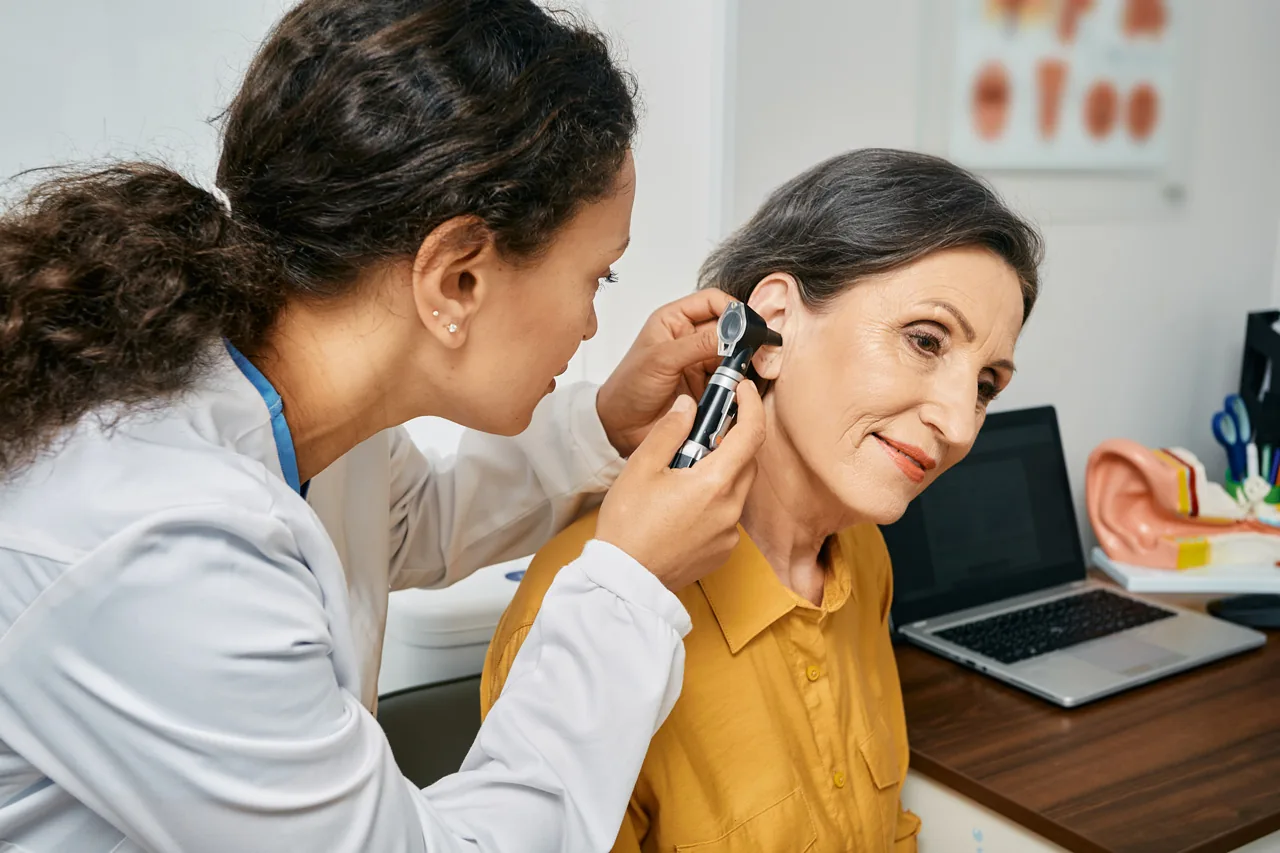
As soon as you notice hearing loss or even a significant decline in hearing, you should always seek medical advice. ENT specialists are the right people to consult in this case. They can make a diagnosis, identify the causes of the hearing problems and, as a result, determine the appropriate treatment.
How often should you have hearing tests for hearing care, and where?
As hearing is one of our most important senses, our hearing should be checked regularly. Even in newborns, hearing is therefore tested as part of the U1 screening 24 to 48 hours after birth. This hearing test is also known as newborn screening. If a child shows abnormalities in this test, a further test usually follows a few days or weeks later.
For toddlers and children, regular hearing tests are recommended every few years. However, as soon as you notice that your child is having trouble hearing or understanding, asks for things to be repeated frequently, or shows signs of delayed speech development, you should have a hearing test or an examination carried out by an ENT specialist.
For healthy adults, regular hearing tests are recommended every 5 to 10 years. However, as the risk of age-related hearing loss increases with age, adults aged 50 and over should have a professional hearing test every year so that any hearing loss can be detected early and, if necessary, treated.
As soon as you notice hearing problems, such as difficulty hearing in noisy environments, hearing impairment or hearing loss, you should not wait but instead have a hearing test carried out immediately.
Hearing aid users should also check regularly whether their hearing aids are still optimally adjusted to their needs - that is, to their hearing ability - or whether they may require a fitting.
If you would like to get an initial idea of your hearing ability, you can do so now with our free online hearing test.
Focus on hearing care: World Hearing Day
Hard to believe, but true: more than 1 billion people worldwide are affected by hearing loss. And although virtually anyone could develop hearing problems at some point in their life, the topic of hearing care is still far from being widely recognised by the general public.
To change this, the World Health Organisation launched the first “World Hearing Day” in 2007, which is celebrated every year on 3 March.
It is a day of action dedicated to raising awareness and providing advice, offering those affected, their families and anyone interested a wide range of information, talks and online resources on the topics of hearing loss and hearing impairment, as well as their prevention and treatment.