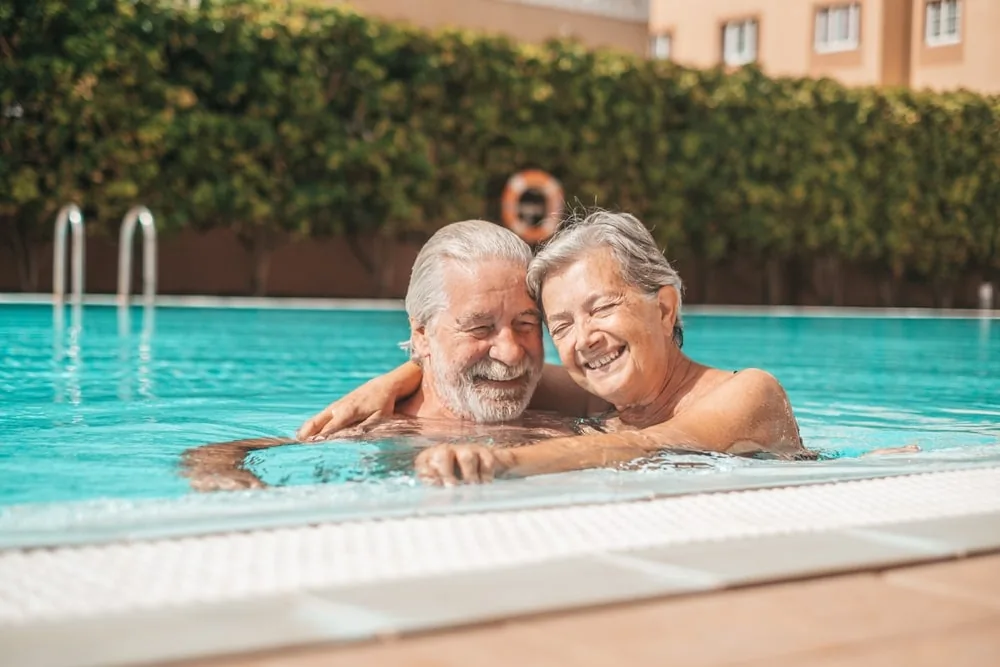
Health breaks combine relaxation with health-promoting activities and are particularly popular with older people. They offer the chance to look after one’s health in pleasant surroundings, recharge one’s batteries and enjoy professional care at the same time. From traditional German spas and Czech thermal springs to the Polish Baltic coast, health resorts across Europe invite you to recharge your batteries. Special services such as door-to-door collection, accessible accommodation and comprehensive care make health retreats the ideal form of travel for older people who value comfort and health.
Key Takeaways
- Health resort holidays combine relaxation with health-promoting treatments in a professional setting
- Popular destinations include German spas, the Bohemian Spa Triangle and the Polish Baltic coast
- Special services such as door-to-door collection, luggage transport and accessible accommodation enhance comfort
- Spa treatments can promote well-being and aid recovery
- The trip typically lasts two to three weeks for optimal relaxation benefits
- Meals are usually included in the package as half-board or full-board
What sets spa holidays for seniors apart
Health retreats differ from ordinary holidays in their focus on health and their particular emphasis on rest and recovery. They appeal to older people who wish to consciously combine their stay with health-promoting activities.
Health recovery and prevention
The main purpose of health retreats is to actively promote health and support physical recovery. Such trips can be particularly helpful following a hospital stay, when it comes to regaining strength and supporting recovery in pleasant surroundings. Health retreats are also suitable as a preventive measure to promote general well-being and prevent physical ailments.
Many older people opt for spa holidays when they already have physical limitations or their mobility has declined. Professional care and services tailored to older people create a framework in which recuperation and health-related aspects can be optimally combined. Stays in spa resorts serve both rehabilitation and prevention and can help to maintain or improve quality of life.
Unlike purely leisure holidays, spa holidays do not focus primarily on sightseeing or intensive activities, but rather on the regeneration of the body and the improvement of health. This makes them the ideal choice for people seeking a break with added health benefits.
Relaxation for body and mind
In addition to the health aspects, relaxation and mental wellbeing play a central role in spa holidays. Many packages include relaxation techniques such as yoga or meditation, which can help reduce stress and find inner peace. These holistic approaches recognise that physical and mental health are closely linked.
Wellness treatments such as massages, baths or other soothing therapies complement the offering and contribute to relaxation. The tranquil atmosphere of the health resorts, often situated in scenic regions, further supports the recovery process. Many health resorts are located in wooded areas, on coastlines or in low mountain ranges, where the natural surroundings invite relaxation.
Slowing down the pace of everyday life and stepping away from familiar routines can have a positive effect on general well-being. Spa breaks offer the opportunity to escape the hustle and bustle of daily life and take time for oneself. This is a luxury that is particularly appreciated in old age.
Professional care and medical support
An important feature of spa holidays is the professional care provided by trained staff. Many spa hotels have medically trained staff on hand to answer health-related questions. This gives travellers and their relatives a sense of security, particularly where health restrictions apply.
The care provided can range from advice on suitable treatments and assistance with taking medication to the organisation of medical consultations. Some health resorts work closely with doctors and therapists who can be consulted if necessary. This medical infrastructure distinguishes health resorts from ordinary holiday destinations and makes them particularly attractive for people with health needs.
The treatments themselves are usually carried out by qualified staff with the appropriate qualifications. This ensures that treatments are carried out professionally and safely. A consultation often takes place before the treatments begin, during which individual needs and any restrictions are discussed.
Popular health resorts and destinations
Health resorts in Germany and neighbouring countries offer different specialisms and characteristics. The choice of destination depends on personal preferences, health needs and the desired atmosphere.
German spas and health resorts
Germany has a long tradition of spa tourism and offers numerous recognised spas with excellent facilities. Lower Saxony, Hesse, Bavaria and North Rhine-Westphalia in particular are home to traditional health resorts that have specialised in meeting the needs of spa guests for decades.
Bad Füssing in Bavaria is one of the best-known German health resorts and is particularly renowned for its thermal springs. The warm healing waters can have a soothing effect on various ailments. The Lüneburg Heath is home to Bad Bevensen, a mineral spa which, in addition to spa treatments, offers the charming heathland landscape as a factor in relaxation. Bad Sassendorf in North Rhine-Westphalia is another popular destination for spa holidays.
Bad Wildungen in Hesse is also one of Germany’s leading health resorts. Over time, many of these places have developed into modern health centres that combine traditional spa treatments with contemporary wellness concepts. The medical infrastructure is excellent, and accommodation ranges from comfortable spa hotels to upmarket wellness resorts.
The advantage of German health resorts lies in their easy accessibility, the familiar language and the high quality standards. Travellers are also familiar with the German healthcare system, which offers additional reassurance. The short travel distances make German health resorts particularly appealing to people who find long journeys too tiring.
Czech spa resorts in the Spa Triangle
The Bohemian Spa Triangle in the Czech Republic is one of Europe’s most traditional spa regions and has been attracting spa guests for centuries. The three famous spa towns of Karlovy Vary, Mariánské Lázně and Františkovy Lázně offer a unique blend of history, architecture and spa culture.
Karlovy Vary is arguably the best known of the three towns and impresses with its magnificent spa architecture from the Wilhelminian era. The town boasts numerous thermal springs, the water from which is traditionally used for drinking cures. The elegant colonnades and historic spa hotels lend the town a special atmosphere. Mariánské Lázně is picturesquely situated in wooded surroundings and is known for its parks and green spaces. Here too, various healing springs are available, which can be used to treat a range of ailments.
Franzensbad is the smallest of the three towns and captivates with its intimate, peaceful character. The town is known for its mud baths and its relaxed atmosphere. All three spa resorts in the Spa Triangle combine traditional spa treatments with modern comfort and offer excellent value for money.
The Czech spa towns are easily accessible from Germany and offer the advantage of lower prices combined with high-quality treatments. Many hotels cater to German-speaking guests, so language barriers are rarely an issue. The combination of spa treatments and culture makes this region particularly attractive for people who wish to soak up cultural experiences as well as relax.
Polish Baltic Coast
The Polish Baltic Sea coast has developed into a popular destination for spa holidays in recent years. Places such as Kolberg, Swinemünde and Misdroy combine the healthy sea climate with modern spa treatments, offering excellent value for money.
The maritime climate of the Baltic Sea, with its iodine-rich air, can have a positive effect on the respiratory system and is found by many spa guests to be particularly soothing. The long sandy beaches are ideal for long walks, which can have a beneficial effect on health. The combination of sea, beach and spa facilities makes the Polish Baltic coast an attractive destination for those seeking relaxation by the water.
Kołobrzeg is one of the largest and best-known spa resorts on the Polish Baltic coast and boasts an excellent infrastructure with numerous spa hotels and treatment facilities. Świnoujście is situated on the islands of Usedom and Wolin and offers cultural attractions alongside spa treatments. Misdroy is a smaller, quieter town, particularly suited to those seeking relaxation in a less touristy atmosphere.
The Polish health resorts are easily accessible from Germany, often even by car. Prices are significantly lower than in Germany, making longer stays affordable. Many establishments have adapted to German guests and offer German-speaking staff as well as programmes tailored to the needs of German senior citizens.
German health resorts and spas
Germany has a long tradition of spa tourism and offers numerous recognised therapeutic spas with excellent facilities.
Czech spa resorts in the Spa Triangle
The Bohemian Spa Triangle in the Czech Republic is one of Europe’s most traditional spa regions and has been attracting spa guests for centuries.
Polish Baltic Coast
The Polish Baltic Sea coast has developed into a popular destination for spa holidays in recent years.
Special services for senior spa holidays
Spa holidays for seniors are characterised by comprehensive services that make travelling comfortable and stress-free. Providers have recognised that older travellers have special needs and offer appropriate solutions.
Door-to-door collection and convenient travel
A particularly appreciated service is door-to-door collection, which is included in the package price for many health breaks or can be booked for an additional fee. Travellers are collected directly from their home in a car or saloon and taken to the health resort. This eliminates the stress of travelling independently, the worry about parking spaces and the hassle of lugging luggage.
The driver takes care of transporting all luggage from the home to the vehicle and, upon arrival, to the accommodation. This service is a huge relief, particularly for people with reduced mobility or for those who no longer wish to drive themselves. The direct journey without changing transport is also less tiring than travelling by public transport.
For health retreats that require travel by coach, train or plane, collection from your front door can be arranged to the respective departure point. Some providers offer a discount if you organise your own travel. The flexibility in arranging travel allows the package to be tailored to individual needs. Group trips for senior citizens often offer similar convenience services for the journey.
Accessible accommodation
Spa hotels for seniors place particular emphasis on accessibility and facilities suitable for older people. This includes working lifts to all floors, wide doors that can be passed through with a walker or wheelchair, and short distances within the premises. Rooms usually feature level-access showers without thresholds, non-slip flooring and grab rails in the bathroom.
Many spa hotels offer special accessible rooms that are even more comprehensively equipped. These include wheelchair-accessible washbasins, height-adjustable beds, sufficient space for wheelchairs and emergency call systems. Public areas such as the restaurant, therapy rooms and wellness areas are also designed to be accessible, so that all guests can make use of the facilities without restriction.
Accommodation standards for spa holidays are generally in the upmarket range, typically in the 3- to 5-star category. This ensures a pleasant atmosphere and a high level of comfort. The rooms are generally equipped with modern amenities, and particular attention is paid to the quality of the beds, as restful sleep is a key factor in recovery. Barrier-free living for the elderly is also becoming increasingly important and is taken into account in spa hotels.
Luggage service and mobility aids
The comprehensive luggage service is one of the standard services on spa trips. Luggage is not only transported during the journey, but also taken from reception to the room within the hotel. The reverse service is provided on departure. This is particularly important for people who can no longer carry heavy suitcases themselves or should not do so.
Mobility aids such as walking frames or wheelchairs are also included in the luggage service. Anyone requiring such aids can bring them along without any hassle, without having to worry about transport. Some health resorts also offer the option of hiring mobility aids on site. This is particularly practical for people who can still manage without a walking frame at home but need additional support for longer excursions or walks in the health resort.
Of particular interest is the range of special convertible systems that can be used both as a rollator and as a wheelchair. Such aids enable people with declining strength to still take part in excursions and explore the surroundings of the health resort. The availability of such hire equipment should be clarified with the provider in advance of the trip.
Spa treatments and wellness facilities
At the heart of every spa holiday are the various treatments and therapies that can contribute to relaxation and health promotion. The range of services varies depending on the spa resort and its specialisation.
Traditional spa treatments
Many health resorts have natural remedies such as thermal springs, healing waters or mud, which have been used for therapeutic purposes for centuries. Thermal baths can have a relaxing effect and are often used to treat various ailments. The warmth and minerals in the water can have a soothing effect on muscles and joints.
Mud baths and mud packs are also among the classic spa treatments. Mud retains heat particularly well and can release it slowly into the body. Inhalations with salty air or healing water can have a positive effect on the respiratory tract and are offered particularly in seaside resorts or at salt springs.
Drinking cures, in which healing water is consumed according to a set schedule, are particularly common in Czech spa resorts. The various springs contain different minerals and are traditionally used to treat a range of ailments. The treatments are usually carried out or supervised by qualified staff who ensure the correct dosage and procedure.
Wellness and relaxation treatments
In addition to classic spa treatments, modern spa hotels offer a wide range of wellness and relaxation options. Various types of massage can relieve tension and aid relaxation. The range extends from classic medical massages and lymphatic drainage to soothing wellness massages.
Sauna areas and steam baths complement the programme and can have a positive effect on well-being. Many spa hotels feature modern wellness areas with various types of saunas, relaxation rooms and sometimes even swimming pools. Use of these facilities is often included in the price or available for a small additional charge.
Yoga and meditation classes are increasingly being integrated into spa programmes as holistic relaxation options. They can help reduce stress, maintain flexibility and find inner peace. Qi Gong, Tai Chi or other gentle forms of exercise are also sometimes offered. These classes are generally designed so that they can be attended by people with no prior experience and those with limited mobility.
Activities and leisure
In addition to treatments, health resort breaks also offer opportunities for active leisure pursuits. Many health resorts are situated in scenic regions that are ideal for walks and gentle hikes. Guided walks of varying difficulty levels are often organised by the health resort hotel or the local tourist information office.
Cultural events such as concerts, readings or lectures are a regular feature of the programme in many health resorts. Particularly in traditional health resorts, there is often a rich cultural programme ranging from classical spa concerts to modern events. Excursions to local attractions are also frequently offered.
Social evenings with music, dancing or group games encourage interaction between guests and provide a change of pace. Many spa hotels regularly organise such events, where guests can socialise in a relaxed atmosphere. This is a particularly welcome opportunity for older people travelling alone to make new acquaintances.
Planning and organising the spa trip
Careful planning plays a key role in ensuring that the spa holiday is a success and that the desired restorative effects are achieved. Various practical aspects should be considered in advance.
Duration of the trip and best time to travel
The typical duration of a spa holiday is two to three weeks. This timeframe has proven effective, as many spa treatments only take full effect after several days or weeks. A shorter stay can certainly be relaxing, but offers less scope for lasting restorative effects. Some providers also offer short stays of one week, which are suitable as a taster course or for people with limited time.
The best time to visit depends on the destination and personal preferences. For health resorts on the Baltic Sea, the summer months from May to September are ideal, when the weather allows for walks on the beach. German and Czech inland health resorts are attractive all year round, though spring and autumn are often considered particularly pleasant. The off-season offers the advantage of a quieter atmosphere and often lower prices.
Winter spa breaks have their own charm and are particularly suitable for people who find the cold season at home a strain. Many spa hotels are open during the Christmas and New Year period and offer festive programmes. The decision on a specific travel time should also take health aspects into account. People with circulatory problems may prefer milder temperatures.
Meals and accommodation standards
Most spa breaks include half-board or full-board. Half-board usually comprises breakfast and dinner, whilst full-board additionally includes lunch. Which type of catering is best depends on personal preferences and the planned daily routine. Those who undergo treatments or go on excursions during the day often find half-board sufficient.
Meals in spa hotels are usually tailored to guests’ needs and take health considerations into account. Many hotels offer light, balanced cuisine and cater to specific dietary requirements such as special diets or food intolerances. Vegetarian or other special dietary requirements are generally not a problem, but should be specified at the time of booking.
The room facilities are usually of a high standard and, in addition to comfortable beds, include seating, a desk, a television and a modern bathroom. Many rooms have a balcony or terrace. When booking, you can often choose between different room categories, ranging from standard rooms to superior rooms and small suites. The price differences usually reflect the size, facilities and location of the room.
Costs and ways to save
The costs of spa holidays vary considerably depending on the destination, standard of accommodation, duration of the trip and included services. German spa resorts are usually in the mid-to-upmarket price range, whilst Czech and Polish destinations are often significantly cheaper. A two-week spa holiday can cost anywhere from a few hundred to several thousand euros, depending on the destination.
Various ways to save can reduce the costs. Early-bird discounts often reward timely booking with reductions of 10 to 20 per cent. Last-minute offers can also be attractive, but require flexibility with dates. Travelling in the off-season is usually significantly cheaper than during the summer months or around public holidays.
Some providers offer discounts for regular guests or run loyalty schemes. Booking without a pick-up service or opting to make your own way to the destination can also lead to price reductions. When calculating costs, you should consider which services are included in the price, particularly whether spa treatments are included or must be paid for separately. Some offers include a specific number of treatments, whilst others cover only accommodation and meals.
Under certain conditions, local authorities or social welfare organisations may provide financial support for recuperative trips. It is worth enquiring with the relevant local authority or welfare organisations to see if such funding is available. Some health insurance providers also subsidise preventive measures under certain conditions, which may include spa stays. It may be worth checking with your own health insurance provider.
It is also important to bear in mind that additional costs may arise alongside the actual cost of the trip. These include tips, personal expenses, any additional treatments or excursions, and travel insurance. Realistic budget planning should take these items into account. Health and well-being in old age are closely linked, and spa holidays can make a valuable contribution to both.
Health resort holidays for senior citizens offer an ideal combination of relaxation, health promotion and comfort. The professional care, services specifically tailored to older people and the variety of treatments make them an attractive way to do something for one’s health whilst enjoying a relaxing break. Whether in one’s own country or in neighbouring countries, health resorts invite you to regenerate body and mind and recharge your batteries for everyday life.