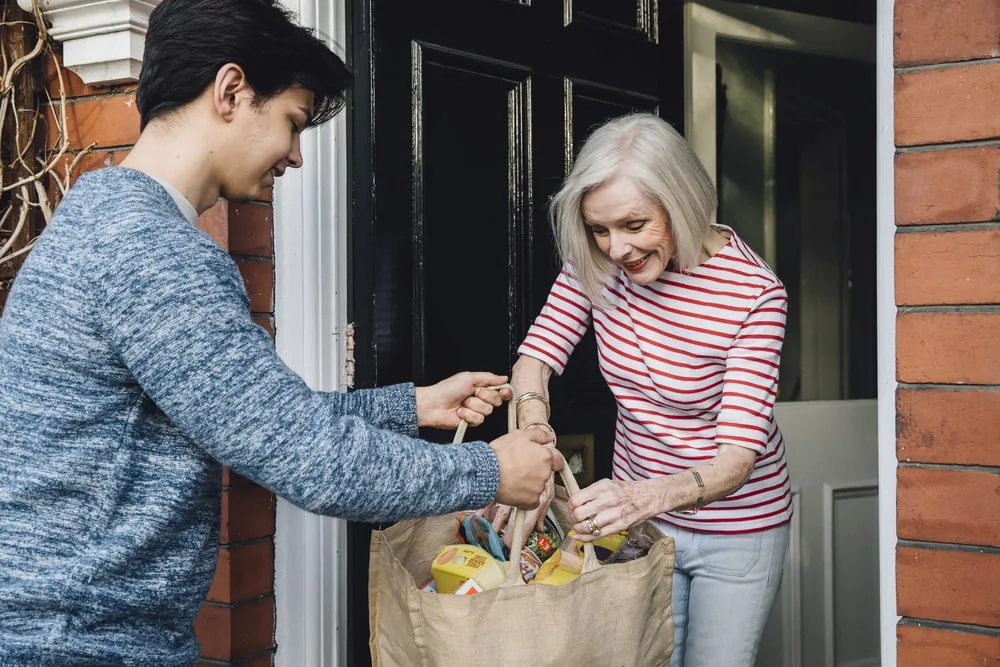
As people get older, ensuring a regular supply of healthy, balanced meals becomes a significant challenge. Meal delivery services for older people offer a practical solution to ensure a high-quality diet, even for those with limited mobility or health issues. From hot ready meals and frozen food to fresh meal kits, there are various options tailored to the specific needs of older people. It is not only the availability of local providers that matters, but also factors such as ease of ordering, reasonable prices and the consideration of special dietary requirements.
Key Takeaways
- Why meal delivery services for older people are becoming increasingly important
- Different types of meal delivery services for older people
- Finding local home-delivered meals for older people
- Healthy eating at the heart of delivery services
- Ordering and delivery made easy
- Costs and financial assistance
Why delivery services for seniors are becoming increasingly important
Demographic trends in Germany clearly show that more and more people are reaching an advanced age and wish to live independently in their own homes for as long as possible. At the same time, physical changes and health limitations bring new challenges that can make everyday life more difficult. In particular, the procurement and preparation of food becomes a problem for many seniors, one that can significantly impair their quality of life.
Challenges with shopping and cooking in old age
Physical limitations often become apparent gradually and affect various aspects of daily life. Carrying heavy shopping bags becomes a burden when back or joint problems arise. Standing for long periods at the checkout or whilst cooking is hardly possible for those with cardiovascular problems or arthritis. Eyesight can also deteriorate, making it difficult to read ingredient lists or price labels. The journey to the supermarket presents a further hurdle. Not all older people are able or willing to drive themselves. Public transport is often difficult to access or presents barriers. In rural areas, this problem is exacerbated by long distances to shopping facilities. Cooking itself also becomes more demanding. Standing at the hob puts strain on the legs, and heavy pots and pans are difficult to handle. Forgetfulness can lead to food burning or the hob not being switched off. Complex recipes with many steps become increasingly overwhelming.
Health benefits of regular meals
A balanced diet is important at every stage of life, but becomes even more crucial in old age. The body needs sufficient nutrients to strengthen the immune system, keep bones healthy and maintain mental capacity. Regular meals help to keep blood sugar levels stable and prevent cravings. Particularly problematic is so-called malnutrition in older people, which affects an estimated 1.6 million senior citizens in Germany. It often develops gradually when food intake is reduced or becomes unbalanced. This can lead to weight loss, muscle wasting and an increased susceptibility to infections. Delivery services can play a vital role here by ensuring that hot, nutritious meals are available every day. Regular deliveries also provide structure to the daily routine and can offer social interaction if the delivery person is friendly and attentive.
Different types of meal delivery services for older people
The market for meal delivery services has diversified significantly in recent years and now offers a range of options tailored to different needs and preferences. For older people, the focus is particularly on services that prioritise quality, ease of use and a balanced diet.
Ready meals and meal services
Ready meals specifically for older people differ significantly from conventional convenience products found in supermarkets. They are usually developed by specialist providers who focus on the nutritional needs of older people. These meals are portioned appropriately, contain less salt and sugar than standard ready meals, and often take special dietary requirements into account. They are usually prepared by simply heating them in the microwave or oven. Flavour and nutrients are largely preserved, as modern preservation methods such as flash-freezing or vacuum-packing are used. Many providers deliver weekly or fortnightly and offer changing menu plans to ensure variety.
Frozen meals specifically for older people
Frozen meals have the advantage of a long shelf life and flexible use. Seniors can decide when to prepare which meal, depending on their appetite and how they feel on the day. High-quality frozen food for seniors is characterised by gentle production methods that preserve vitamins and minerals. Individually portioned meals are particularly practical, as they allow for precise portioning. Many suppliers provide detailed nutritional information on their products, along with guidance for people with specific dietary requirements. The meals can be stored in the home freezer, saving space.
Fresh ingredients and meal kits
Meal kits are also growing in popularity among active seniors who still enjoy cooking for themselves but wish to avoid the hassle of shopping. These kits contain all the necessary ingredients for several meals, as well as detailed, illustrated instructions. The recipes are usually designed so that even novice cooks can easily recreate them. Meal kits with simple recipes that require few steps and do not take too long to prepare are particularly suitable for older people. Some providers have developed special meal kits for older people that cater to their changing taste preferences and dietary needs.
Hot meals from local providers
In many towns and communities, there are local providers who deliver freshly cooked, hot meals directly to customers every day. These services are often offered by caterers, restaurants or social care organisations. The advantage lies in the freshness of the food and often also in the regional cuisine, which is familiar to many older people. Delivery usually takes place at lunchtime in insulated containers that retain the heat until arrival. Many of these services also offer the option to cater for individual preferences or, if required, to deliver in the evening. The personal contact with the delivery person can provide an additional social aspect.
Finding local home-delivered meals for older people
The search for suitable delivery services varies depending on where you live. Whilst there are usually a wide variety of providers available in large cities, the choice in rural areas is often more limited. Nevertheless, there are various ways to find suitable services in your own region.
Online platforms and comparison sites
The internet now offers numerous ways to find and compare delivery services. Specialised platforms list providers by postcode and allow you to compare prices, reviews and offers. Seniors or their relatives should pay particular attention to reviews from other older customers, as they often have similar needs. Many platforms also offer filter functions that allow users to search specifically for certain criteria: meals suitable for diabetics, low-salt diets or vegetarian options. Some portals have even developed special categories for meals for older people. For older people who are not internet-savvy, relatives or friends can help with online research. It is often a good idea to compare different providers together and place trial orders before committing to a long-term arrangement.
Local providers and restaurants
Many local restaurants and inns have expanded their offerings to include delivery services in recent years. In particular, inns serving traditional, regional cuisine are often a good choice for older people, as the dishes taste familiar and are usually less heavily seasoned than international cuisine. Direct contact with local providers often makes it possible to make individual arrangements. Many restaurants are willing to adjust portion sizes, omit certain ingredients or accommodate special requests. Delivery times can often be arranged flexibly too. Information on local delivery services can be found in regional newspapers, local newsletters or on noticeboards in doctors’ surgeries and pharmacies. The local senior citizens’ office can often provide recommendations as well.
Charities and social organisations
Many charitable organisations have recognised that the provision of meals is a key component of independent living in old age. Social associations, church parishes or welfare organisations therefore often offer their own delivery services or arrange for such services. These services are usually particularly affordable and take into account the financial circumstances of pensioners. They are often linked to additional social support, such as a brief chat during delivery or the option to request help if problems arise. Those interested can obtain information about such services from the local social services, church parishes or directly from the welfare organisations. The local council’s senior citizens’ office can usually provide relevant contacts as well.
Healthy eating at the heart of delivery services
A balanced diet becomes increasingly important with age, but at the same time the body’s needs also change. Reputable delivery services for senior citizens take these specific needs into account and offer specially adapted meals.
Nutritional requirements in old age
Energy requirements usually decrease with age, as the basal metabolic rate drops and physical activity often declines. At the same time, however, the need for certain nutrients increases. Protein becomes more important to counteract the loss of muscle mass. Calcium and vitamin D are essential for bone health, whilst B vitamins support the nervous system. Good delivery services for older people ensure that their meals take these changing needs into account. This means: high-quality sources of protein such as fish, lean meat or pulses, sufficient vegetables for vitamins and fibre, and wholemeal products for digestion. Adequate fluid intake is also particularly important, as the sensation of thirst often diminishes with age. Some delivery services therefore also offer soups or drinks to complement the main meals.
Special dietary requirements and intolerances
As people age, health issues that require specific dietary approaches become more common. Diabetes, high blood pressure, kidney problems or heart disease all necessitate tailored meal plans. Good delivery services therefore offer a range of dietary options. For diabetes, controlling blood sugar levels is the priority. Meals should contain complex carbohydrates and avoid rapidly absorbed sugars. Fibre-rich foods help to keep blood sugar stable. Heart patients often require a low-salt diet, as too much sodium can raise blood pressure. At the same time, omega-3 fatty acids from fish or nuts are particularly beneficial. Many services label their dishes accordingly and state the salt content. Food intolerances or allergies must also be taken into account. Lactose intolerance is more common in older people, and intolerances to certain types of grain can also develop. Reputable providers list all ingredients and offer alternative dishes.
Portion sizes and calorie requirements
The right portion size is particularly important for older people. Portions that are too large are often overwhelming and result in meals not being eaten in full. Conversely, portions that are too small do not meet nutritional requirements. Professional meal delivery services for older people have usually developed portion sizes that correspond to the reduced calorie requirements of older people, whilst still containing all the essential nutrients. The focus is often on nutrient-dense foods that provide plenty of vitamins and minerals in a small space. Some providers also offer different portion sizes or the option to order additional side dishes. This allows every senior to choose the right amount for them.
Ordering and delivery made easy
For many older people, ordering from a delivery service presents a hurdle, particularly if they are not familiar with modern technology. Good providers have therefore developed various ordering methods and ensure a senior-friendly process.
Ordering by phone without the internet
Ordering by phone is the preferred method for many seniors, as it is familiar and straightforward. Reputable providers therefore usually have a freephone number and trained staff who respond patiently and sympathetically to the needs of older customers. When placing the first order, personal details, delivery address and any special requirements are usually recorded. Many services then create a customer profile in which preferences, allergies or dietary requirements are stored. This information does not need to be repeated for subsequent orders. Some providers also offer a call-back service: the customer can be called at a specific time and then simply needs to confirm their order or make any changes. This is particularly convenient for regular deliveries.
Online ordering with assistance
Although not all older people are internet-savvy, an increasing number of older people are using computers or tablets. Online ordering systems often offer advantages for them: the menu is clearly laid out, prices are clearly visible and the order can be put together at their own pace. Senior-friendly websites are characterised by large text, clear structures and simple navigation. Important information such as allergens or nutritional values is placed in a clearly visible position. Some providers have even developed special apps that are particularly easy to use. For older people who need help with online ordering, a relative or neighbour can assist the first time. Many then quickly discover the benefits of online shopping and become more independent.
Planning regular deliveries
Subscription models, where regular deliveries are made automatically, are particularly practical for older people. This can be daily, several times a week or weekly, depending on needs and preferences. When planning regular deliveries, various factors should be taken into account: How often does the senior usually shop? Are there specific days of the week when a delivery would be particularly convenient? Should deliveries be made at the same time every day or at different times? Good services offer flexible subscription models that can be paused, changed or cancelled. This is important in case the senior goes away, has to go to hospital or their needs change.
Costs and financial assistance
The cost of delivery services is a key deciding factor for many older people. It is important to consider not only the cost of the food itself, but also the money saved on trips to the supermarket, as well as the time and effort saved.
Price comparison of different providers
Prices for meal deliveries vary greatly depending on the provider, quality and service. Simple frozen meals are usually cheaper than freshly cooked meals, but are also less customisable. Premium services catering to special dietary requirements or offering organic quality cost more accordingly. When comparing prices, all costs should be taken into account: not just the price per meal, but also delivery charges, minimum order values or subscription fees. Some providers offer discounts for regular orders or larger quantities. A realistic comparison also takes into account previous spending on food. If a senior citizen has previously gone shopping every day and often bought more than necessary, a delivery service can actually save money. Spoiled food that has to be thrown away does not occur with portion-controlled deliveries.
Subsidies and support from health insurance providers
In certain cases, the costs of meal deliveries may be covered by health insurance or other social security providers. This is usually the case where there is a medical necessity or the delivery is considered part of home care. A prerequisite is usually a doctor’s certificate confirming that the senior can no longer shop independently or must follow a special diet. Subsidies may also be available for certain conditions such as severe heart failure or advanced dementia. Applications are usually made directly to the health insurance provider or the relevant care support centre. There, interested parties can also obtain information on which providers work with the insurance provider and what requirements must be met.
Tax deductibility
Under certain circumstances, the costs of meal deliveries may be claimed for tax purposes. This is possible if the delivery is necessary for health reasons and can be regarded as an exceptional financial burden or a household-related service. It is important to keep proper records of all expenses and to have a medical certificate confirming the medical necessity. Tax deductibility should be clarified with a tax adviser or the relevant tax office, as the regulations are complex and subject to change.
Guaranteeing quality and freshness
The quality of the meals delivered is a key factor in satisfaction with a delivery service. Older people should therefore look out for various quality indicators and know how to assess the freshness of the products.
Cold chain and packaging
A continuous cold chain is essential for food safety and quality. Reputable delivery services therefore use insulated transport containers and ice packs to keep the temperature constant during transport. This is particularly important for frozen products, as food that has been defrosted and refrozen loses quality and can pose a health risk. The packaging should be hygienic and practical. Individual portions in containers that seal well are usually more practical than large quantities in a single container. Labelling is also important: the use-by date, storage instructions and preparation guidelines should be clearly legible. Upon receipt of the delivery, older people or their relatives should check the packaging. Are the ice packs still cold? Is the packaging undamaged? Does the food smell fresh? If in doubt, the supplier should be contacted.
Shelf life and storage
The shelf life of the delivered meals varies depending on the preservation method. Freshly cooked meals should usually be eaten on the same day or the next, whilst frozen food can last for several months. It is important to follow the manufacturer’s instructions. Correct storage is crucial for shelf life. Frozen products should go straight into the freezer, and chilled goods into the fridge. Storage temperature also plays a role: the fridge should be set to a maximum of 7 degrees, and the freezer to at least minus 18 degrees. Many older people are unsure how long different foods last. Here, relatives can help by checking the use-by dates and disposing of old products. Some providers also supply information sheets explaining the correct storage methods.
Interpreting customer reviews correctly
Online reviews can provide a good guide when choosing a delivery service, but should be viewed critically. Detailed reviews that address specific aspects such as taste, portion size or delivery reliability are particularly helpful. When interpreting reviews, it should be borne in mind that tastes vary. What is too salty for one customer may be perfectly seasoned for another. More important are reviews based on objective criteria such as punctual delivery, packaging quality or customer service. Negative reviews are often more informative than exclusively positive ones, as they highlight potential issues. If complaints about certain aspects are frequent, this should be seen as a warning sign.
Taking special needs into account
Many older people have specific dietary needs that go beyond a standard age-appropriate diet. Good delivery services recognise these needs and offer appropriate solutions.
Swallowing difficulties and soft foods
Difficulty swallowing is not uncommon in older people and can have various causes: side effects of medication, neurological conditions or simply age-related changes. For affected older people, normal food is often difficult to manage and can even be dangerous. Specialised providers have therefore developed puréed or very soft meals that still look appetising and taste good. Modern techniques make it possible to retain the original shape of the food, even though the consistency has been adjusted. When choosing such options, care should be taken to ensure that the meals are not only soft but also nutritious. The taste should not suffer either, as otherwise the food becomes a burden.
Diabetes-friendly meals
Diabetes is one of the most common chronic conditions in older people. An adapted diet is therefore essential for many older adults. Diabetic-friendly meals are characterised by a low glycaemic index, contain complex carbohydrates and are free from added sugar. It is important not only to avoid obviously sweet foods, but also to be mindful of hidden sugars in sauces, marinades or processed foods. Good providers label their dishes with precise carbohydrate values so that diabetics can adjust their insulin dose accordingly. The composition of the meals also plays a role: fibre slows down sugar absorption, whilst protein ensures a long-lasting feeling of fullness. Regular meals help to keep blood sugar levels stable.
Low-salt and heart-healthy diet
Cardiovascular diseases are widespread in older age and often require a modified diet. Too much salt can raise blood pressure and put strain on the heart. At the same time, certain nutrients such as omega-3 fatty acids are particularly beneficial for heart health. A low-salt diet does not automatically mean tasteless food. Experienced cooks use herbs, spices and other flavourings to compensate for the reduced salt content. It is also important to reduce salt intake gradually so that the sense of taste can adapt. Heart-healthy meals often contain plenty of vegetables, whole grains and low-fat fish. Saturated fats are reduced, whilst more unsaturated fatty acids are used. Avoiding trans fats is also important for heart health.
Practical tips for everyday life
To make the most of delivery services, there are a few practical points to bear in mind. From proper storage to cleverly combining different offers, small tricks can make everyday life considerably easier.
Storage and preservation
Proper storage begins as soon as the delivery is received. Frozen products should go straight into the freezer, even if this means temporarily rearranging other items. For chilled products, prompt storage is also important. A well-organised fridge and freezer make it easier to keep track of everything. New items should be placed at the back, older ones at the front. Transparent containers or labels help you keep track of what’s inside. Older people with vision problems in particular benefit from a clear, organised layout. The capacity of the fridge and freezer should also be assessed realistically. There’s no point in ordering more than can be stored. It’s better to have smaller quantities delivered more often than to let food go off.
Reheating and preparation
Reheating food correctly is important for both taste and safety. Frozen food should usually be defrosted before being heated. Although this takes longer, it leads to better results than heating it directly from a frozen state. The microwave is practical and quick, but not always the best choice. Some dishes turn out better in the oven or in a pan. The manufacturer’s instructions should therefore be followed. It is also important that the food is heated through properly, especially in the case of meat and poultry. For older people with limited mobility, aids such as microwave steam cookers or special reheating boxes can be useful. They allow for gentle heating without much effort.
Combining with home cooking
Delivery services do not have to replace home cooking entirely. Often, a clever combination makes sense: the main course is delivered, whilst a salad is prepared at home or fruit is eaten for dessert. This saves time and effort, but preserves the joy of cooking for oneself. It is also possible to enhance delivered meals. A few fresh herbs, a squeeze of lemon or a little grated cheese can significantly improve the flavour. This way, the meal remains personalised, even if it has been delivered. Some older people also like to cook larger quantities on good days and freeze portions. On bad days, they can then fall back on the delivery service. This flexibility is often the best solution.
Alternatives and additions to delivery services
In addition to commercial delivery services, there are various other ways to provide seniors with meals. These alternatives can be used on their own or combined with delivery services.
Neighbourly help and voluntary services
Neighbourly help is often the most personal form of support. Neighbours who are going shopping anyway can easily pick up something for their elderly neighbour as well. This saves money and fosters social contact. It is important to have a clear agreement regarding preferences, payment and frequency. Many local authorities have also organised voluntary shopping services. Volunteers either do the entire shop or accompany older people to the supermarket. These services are usually free or very inexpensive and also provide social contact. Church communities or social organisations often organise shopping assistance too. The advantage lies not only in the practical support, but also in the sense of community and social integration.
Mobile sales vans and markets
In many rural areas, there are mobile sales vans that regularly drive through the villages. They bring fresh food right to the doorstep and are an important source of supplies, particularly for older people without a car. The range of goods on offer extends from bakery vans and butchers to full stalls selling fruit, vegetables and staple foods. The advantage lies in the freshness of the products and the personal advice provided. The sellers often know their customers by name and have been serving them for years, taking individual preferences into account. Weekly markets are also a good alternative for older people with limited mobility. Many markets have adapted to older customers and offer services such as carrying shopping to the car or special ‘senior’ times with fewer crowds.
Shopping assistance and escort services
Some older people would like to shop for themselves but need support to do so. Various escort services are available to help them with their shopping. This may involve carrying heavy bags, helping to read small price labels, or simply providing company during a shopping trip. Professional escort services are often provided by care agencies or social services. They are usually slightly more expensive than pure delivery services, but offer the advantage that the senior can decide for themselves what to buy. Transport services can also be an alternative. If getting to the supermarket is the problem, rather than the shopping itself, a regular transport service may be the solution. Many local authorities offer such services specifically for seniors.