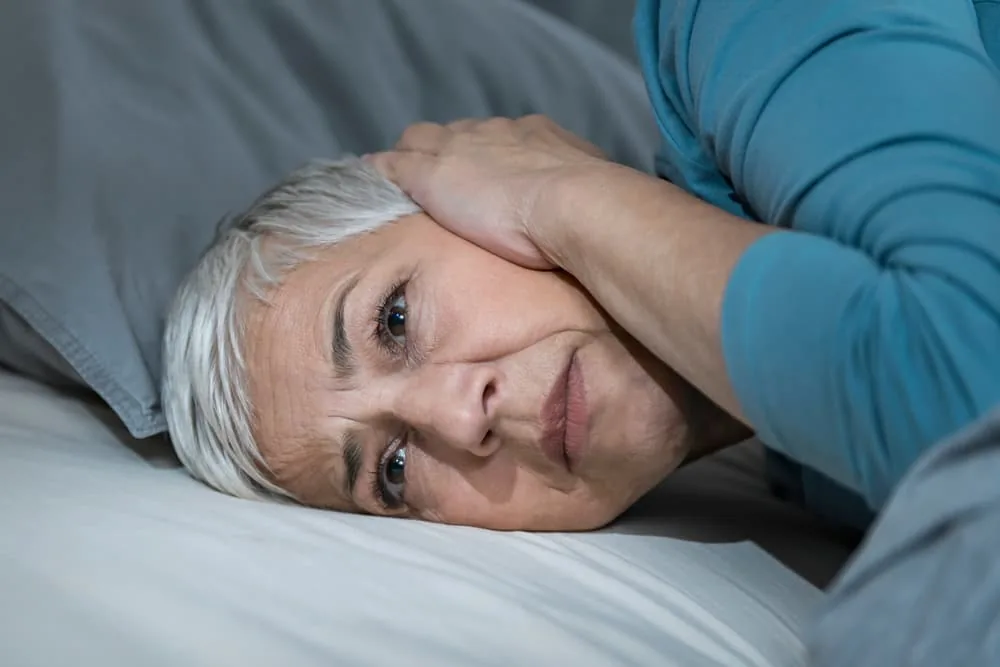
The alarm clock rings, someone bites into an apple, rustles aluminium foil - sounds that most people don’t even notice can be pure horror for those with misophonia, as they suffer from a condition that makes them extremely sensitive to certain noises.
It is estimated that up to 15 per cent of all adults suffer from misophonia, and yet it remains largely unknown. That is why we would like to explain it to you below.
Key Takeaways
- What is misophonia?
- Causes of misophonia
- Triggers of misophonia
- Treatment for misophonia
What is misophonia?
The term misophonia comes from Greek and roughly translates as ‘hatred (miso) of sounds (phonia)’. It refers to a hypersensitivity to certain sounds.
As a rule, the ‘dreaded’ sounds are perfectly normal everyday noises such as chewing gum, smacking one’s lips and swallowing, the clicking of a computer mouse, the rustling of certain materials, and so on.
These sounds are therefore not harmful to those affected, unlike noise, for example, but they nevertheless trigger extremely unpleasant feelings in some cases. These primarily include fear, disgust and shame, as well as great discomfort, which in turn often lead to annoyance or anger. In some cases, people with misophonia even become aggressive when they hear certain sounds.
To outsiders, the symptoms and reactions of those affected usually seem out of proportion to the sounds. Often, those affected are aware of the disproportionate nature of their reactions, which is why they try to avoid situations in which the sounds occur.
Symptoms associated with these feelings can sometimes become physical and range from nausea and sweating to shortness of breath.
Misophonia, phonophobia or hyperacusis
Misophonia is also referred to as “selective sound sensitivity syndrome”.
Misophonia should not be confused with phonophobia or hyperacusis. The former is an anxiety disorder, specifically a fear of loud noises. Typical examples include fireworks or loud clanging, sirens, alarm systems, etc.
Hyperacusis, on the other hand, refers to a pathological hypersensitivity to sound.
Causes of misophonia
Whilst the causes of phonophobia often lie in specific events or experiences involving loud noises, misophonia is thought to have neurological and psychological causes, or a combination of brain dysfunction and behaviour-specific factors. However, this has not yet been sufficiently proven by research. It is therefore highly likely that there is not a single specific cause, but rather several, depending on the individual or the event.
Furthermore, in many cases, the source of the disturbing sounds also appears to be a decisive factor. Particularly at the onset of this disorder, reactions are often triggered only by a specific person, such as a family member or friend.
Triggers of misophonia
The triggers for misophonia that produce the respective reactions vary greatly from person to person. They are also referred to as triggers or trigger sounds.
As a study from the Netherlands in 2020 revealed, eating noises are among the most common triggers, such as chewing or smacking, swallowing, slurping, etc. Furthermore, certain breathing, mouth and throat noises are very distressing for many sufferers. Also high up in the rankings: environmental noises. These include, for example, music, machine noise or telephone rings.
Treatment for misophonia
Misophonia is a mental health condition, but has not yet been officially recognised as a medical condition. Treatment for misophonia usually depends on the specific symptoms.
Behavioural therapy is often recommended, in which those affected develop various coping strategies. Relaxation techniques can also be helpful, including, for example, progressive muscle relaxation, autogenic training or yoga.
Another therapeutic approach is counter-conditioning, which aims to separate the person’s anger from the sound that triggers it by attenuating the sound.
Sometimes misophonia is also treated with tinnitus retraining therapy, an auditory therapy incorporating behavioural therapy elements that was originally developed for the treatment of tinnitus.
Finally, there are a number of technical aids that can be used in the treatment of misophonia. These include, for example, various noise-cancelling devices such as headphones or earplugs, as well as noise generators, maskers and white noise apps, etc. They can help to dampen or block out the trigger sounds.
For further information on the treatment of misophonia, it is best to consult your ENT specialist.